Cross-Platform Loyalty Rewards in Digital Betting: Structures, Benefits, and User Strategies
Xander Foster · Jul 21, 2026

Cross-Platform Loyalty Rewards in Digital Betting: Structures, Benefits, and User Strategies
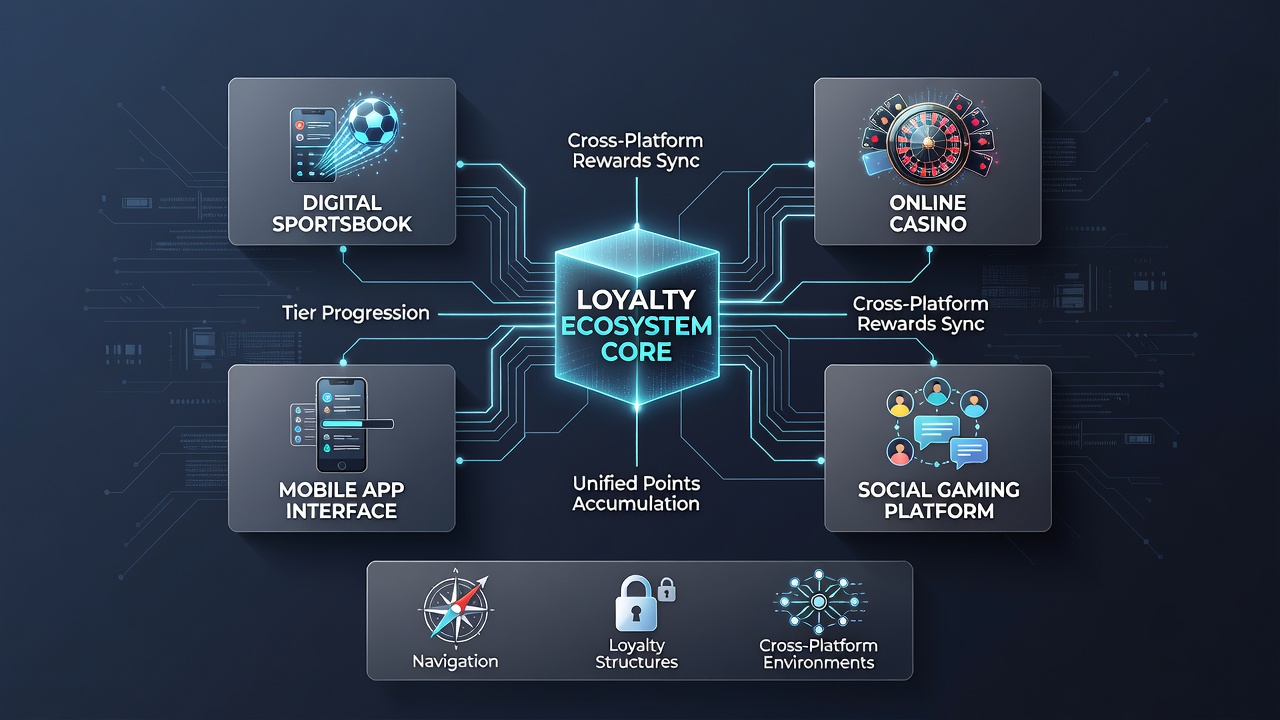
Digital betting environments now span web browsers, mobile apps, and integrated devices, which means loyalty structures must accommodate users who switch between operators and platforms regularly. These programs typically award points based on wager volume, deposit frequency, and engagement metrics, yet the rules for earning and redeeming rewards differ across providers. Research from industry reports shows that operators track activity through centralized databases that sync across devices, allowing points to accumulate regardless of access method.
How Tiered Systems Operate in Multi-Operator Settings
Loyalty tiers progress from entry-level status to premium categories, with each level unlocking higher cashback percentages, exclusive event access, and faster withdrawal processing. Data indicates that users reach higher tiers by meeting combined activity thresholds across several platforms, although individual operators set their own progression criteria. Points often convert to credits or merchandise at rates that vary by tier, and some programs reset annually while others maintain lifetime balances. Observers note that cross-platform users sometimes maintain separate accounts on competing sites to maximize tier benefits without violating single-operator rules.
Redemption Processes and Platform-Specific Variations
Redeeming rewards involves selecting options through account dashboards, where users choose between bonus funds, free bets, or physical prizes depending on the operator's catalog. Studies reveal that mobile apps frequently offer instant redemption for smaller rewards, whereas desktop interfaces handle larger claims that require verification steps. Conversion rates fluctuate according to activity type, with sports wagers sometimes earning points at different multipliers than casino games. Users who operate across multiple environments often compare redemption values before committing wagers to a particular platform.
Challenges When Managing Rewards Across Operators
Fragmented systems create tracking difficulties because points rarely transfer directly between competing operators. Figures from regulatory summaries show that users maintain an average of three active accounts, which complicates efforts to consolidate rewards into single balances. Technical issues such as delayed point updates or device-specific login requirements add further layers, and July 2026 updates from bodies like the Malta Gaming Authority are expected to standardize certain data-sharing protocols for licensed operators. Those who've studied these environments find that dedicated tracking tools and spreadsheets help users monitor progress, although manual methods remain common.
Security considerations also arise when linking accounts across platforms, since shared credentials increase exposure risks. Industry organizations such as the Canadian Gaming Association have published guidelines on secure account management that operators reference when designing loyalty integrations. Data shows that two-factor authentication adoption has risen steadily, reducing unauthorized point redemptions in documented cases.
Regulatory Influences on Loyalty Program Design
Government agencies in various regions impose requirements on how rewards are advertised and distributed. The Nevada Gaming Control Board, for instance, mandates clear disclosure of point expiration policies and tier qualification criteria in operator materials. Academic research from the University of Nevada, Las Vegas, indicates that transparent structures correlate with higher user retention rates across monitored markets. July 2026 marks the scheduled rollout of revised reporting standards in several jurisdictions, which will require operators to log cross-platform activity more comprehensively for compliance audits.
Strategies Users Employ to Maximize Benefits
People who navigate these systems often focus on operators with compatible point-earning categories, allowing them to concentrate activity where multipliers align. Case examples from market analyses demonstrate that timing large wagers during promotional windows can accelerate tier advancement across linked platforms. Some programs offer referral bonuses that compound when users invite contacts who also engage across multiple sites. Observers note that reading terms carefully prevents accidental forfeiture when switching between desktop and mobile versions of the same operator.
Conclusion
Cross-platform loyalty structures continue to evolve as operators refine integration methods and regulators introduce updated standards around July 2026. Users benefit from understanding tier mechanics, redemption variations, and security practices that apply across different environments. Data from multiple sources confirms that informed navigation leads to more efficient reward accumulation without requiring transfers between competing systems.