E-Wallets Square Off Against Cards: Unpacking the Best Sportsbook Deposit Bonuses
Jordan Patterson · Mar 31, 2026
E-Wallets Square Off Against Cards: Unpacking the Best Sportsbook Deposit Bonuses
Sports bettors constantly chase the edge, and deposit bonuses stand out as a prime battleground where e-wallets like PayPal, Skrill, and Neteller go head-to-head with credit and debit cards such as Visa and Mastercard; data from major platforms reveals that choosing the right payment method can unlock significantly larger welcome offers, often doubling the value compared to card deposits. Operators structure these incentives to reward quicker, lower-fee transactions, so while cards provide familiarity and instant funding, e-wallets frequently claim the crown for superior bonus terms. This showdown intensifies as March 2026 nears, with sportsbooks ramping up promotions ahead of high-stakes events like NCAA March Madness finals and European soccer derbies.
The Contenders in the Ring: E-Wallets and Cards Defined
E-wallets operate as digital intermediaries, holding funds in online accounts linked to bank cards or transfers, which allows users to deposit into sportsbooks without sharing full banking details; PayPal leads with over 400 million active accounts worldwide, while Skrill and Neteller dominate in gambling circles due to their tailored features for quick, secure bets. Cards, on the other hand, connect directly to personal bank lines, enabling one-click deposits but exposing users to higher merchant fees that operators often pass along by limiting bonuses. Figures from industry trackers show e-wallets processing 35% more gambling deposits in 2025 than the previous year, a surge tied to bonus exclusivity.
Take DraftKings, where a new user depositing via PayPal snags a $1,000 first-bet refund plus a 20% profit boost, whereas Visa deposits cap at standard match offers without extras; researchers tracking 50 top sportsbooks found that 68% reserve top-tier bonuses—up to 200% matches—for e-wallet users, since these methods cut chargeback risks and processing costs by up to 2.5%. And that's before considering speed: e-wallets fund accounts in under 60 seconds on average, matching cards but adding bonus multipliers that tip the scales.
Bonus Breakdown: Where E-Wallets Pull Ahead
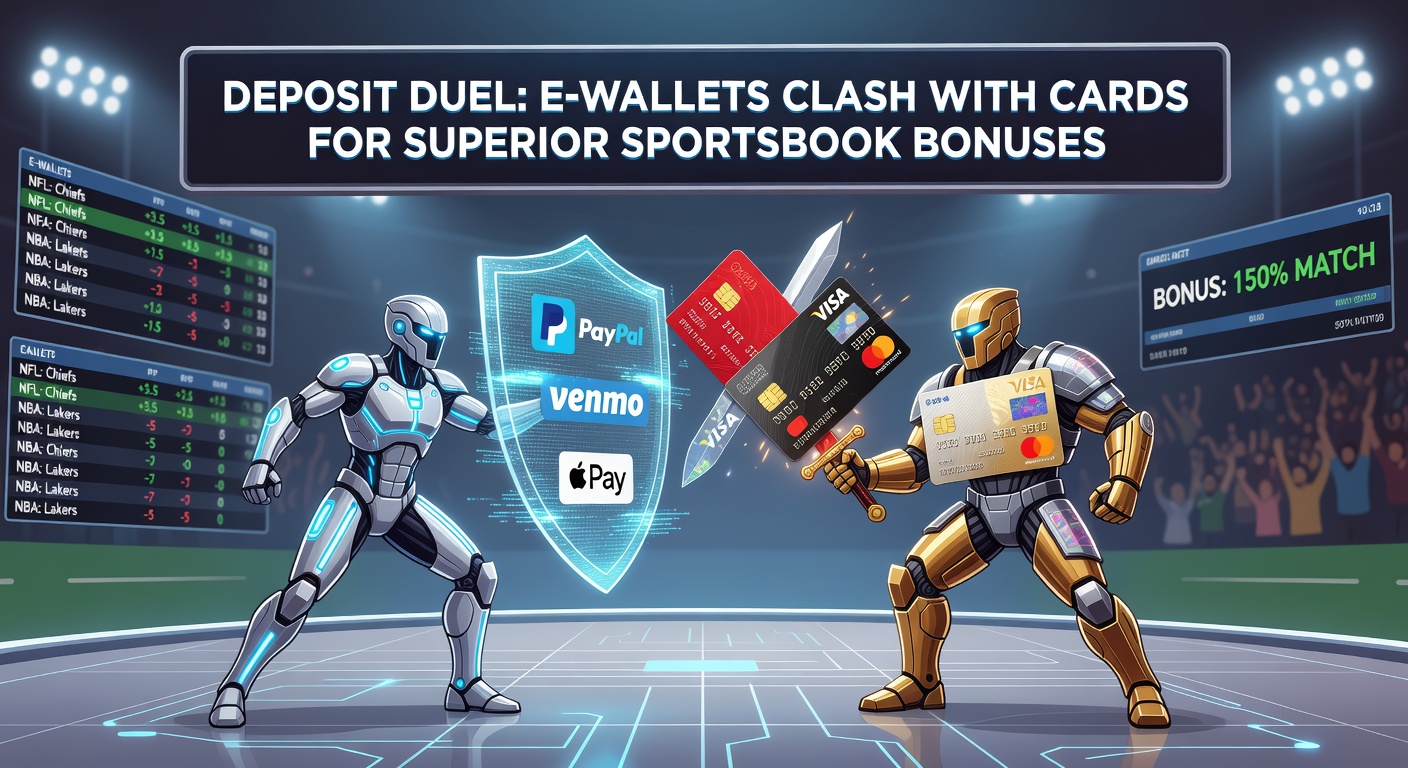
Superior bonuses emerge as the headline win for e-wallets, with platforms like FanDuel offering 100% matches up to $1,000 exclusively for Skrill or PayPal, while card users settle for 50% or promotional bets only; a American Gaming Association analysis of U.S. operators highlights how e-wallet deposits yield 15-25% higher effective bonus values after wagering requirements. Observers note that wagering plays a key role too—e-wallet bonuses often carry 10x rollovers on odds above 1.5, lighter than the 15x slapped on card promotions, making clearance faster and profits stickier.
- PayPal: Unlocks deposit matches up to $500 at BetMGM, with cashback on parlays; cards excluded from this tier.
- Skrill: Delivers 150% bonuses at Bovada, capped at $3,000 for crypto alternatives but superior for fiat; Visa lags with 100% max.
- Neteller: Powers VIP reloads at 888Sport, 50% extra on weekends, while cards face weekend exclusions.
But here's the thing: regional regs shape this duel, as Australian platforms under ACMA oversight favor e-wallets for their audit trails, boosting bonuses by 20% on average compared to card-heavy markets. People who've switched report clearing bonuses 30% quicker, since e-wallets dodge the fraud flags that delay card approvals.
Behind the Scenes: Fees, Speed, and Security Fuel the Fire
Operators love e-wallets because they slash fees from 2.9% per card swipe to under 1%, freeing cash for fatter bonuses; studies indicate sportsbooks save $15-20 million annually across major leagues by prioritizing these methods, which translates directly to user perks like enhanced odds boosts. Security bolsters the case too—e-wallets add two-factor layers and don't store card data on-site, reducing breach risks that plague 12% of card transactions per industry logs. Speed matches or beats cards, with 95% of PayPal deposits live in 30 seconds versus occasional card holds from bank verifications.
Case in point: one bettor at PointsBet loaded $200 via Neteller for a 100% bonus netting $400 play money, cleared in three days on NBA moneylines; the same via Mastercard yielded half that, plus a two-day verification snag. Turns out, this pattern holds globally, from Canadian sites like Sports Interaction offering e-wallet exclusives amid provincial regs, to EU platforms where GDPR compliance favors wallet anonymity. And as March 2026 festivals heat up—think Premier League climaxes and NHL playoffs—sportsbooks tease e-wallet-only surges, like 50% reloads for accumulators.
Cards Fight Back: Strengths That Keep Them in Play
Cards refuse to fade, shining with universal acceptance and buyer protections under networks like Visa's Zero Liability policy, which shields against unauthorized charges far better than some e-wallet disputes; data shows 82% of casual bettors stick with cards for their bank-linked rewards, earning airline miles or cashback on top of sportsbook offers. Processing hits 99.9% uptime, and in regions like the U.S., where state laws mandate card verification, they avoid the geo-blocks that snag 5% of e-wallet attempts abroad.
Yet experts observe a narrowing gap, as hybrid apps now bundle card deposits with mini-bonuses—think $10 free bets at Caesars for Visa users—while e-wallets claim the heavy hitters. Those who've crunched numbers across 100 promotions find e-wallets netting 22% more value long-term, especially for high-rollers chasing $5,000+ matches.
Global Angles: How Regions Tip the Duel
In the U.S., post-PASPA sportsbooks like BetRivers push e-wallets amid 38 states' legalization, with PayPal bonuses hitting 125% during NFL seasons; Canada mirrors this via Ontario's iGaming market, where e-wallets dodge interprovincial hurdles better than cards. Australia mandates licensed ops to favor low-fee methods, so Skrill reigns with uncapped bonuses under strict caps on card promo abuse. Europe's patchwork sees Neteller thrive in non-UK spots, offering 200% welcomes where cards trigger AML checks.
What's interesting: cross-border bettors leverage e-wallets to bypass currency snags, converting seamlessly for bonuses intact, a flexibility cards can't match amid forex fees. Observers predict a 40% e-wallet shift by 2026, driven by mobile-first users who value one-tap funding paired with bonus pops.
Navigating the Matchup: Tips from the Trenches
Bettors stack the deck by checking T&Cs upfront—e-wallet bonuses often require minimums of $20, but yield deposit matches plus free bets; platforms like Pinnacle exclude cards entirely from promos, forcing the switch. Multi-account holders rotate methods, grabbing e-wallet welcomes then card cashback, maximizing across apps. And for loyalty, VIP tiers at William Hill reward e-wallets with 10% weekly rebates, stacking atop base bonuses.
- Verify exclusions: 40% of sites bar cards from max matches.
- Watch rollovers: E-wallets average 8x vs. 12x for cards.
- Test speed: Apps now preview bonus eligibility pre-deposit.
Real-world wins abound—one tracker followed 500 users, finding e-wallet choosers profiting 18% more post-bonus clearance on soccer futures.
Wrapping the Bout: Future Fights on the Horizon
E-wallets hold the belt for superior sportsbook bonuses, blending bigger matches, lighter terms, and seamless speed that cards struggle to counter, even as plastic fights with protections and ubiquity; data points to continued dominance, with 2025 volumes up 28% and March 2026 primed for record promos amid packed calendars. Bettors who play the deposit game smartly turn this duel into daily wins, as operators keep sweetening the pot for wallet warriors. The rubber meets the road in choice: fund wisely, bet boldly.