How Emerging Digital Payment Networks Are Reshaping Bonus Qualification Routes in Mobile Gambling Apps
Xander Foster · Jun 25, 2026
How Emerging Digital Payment Networks Are Reshaping Bonus Qualification Routes in Mobile Gambling Apps
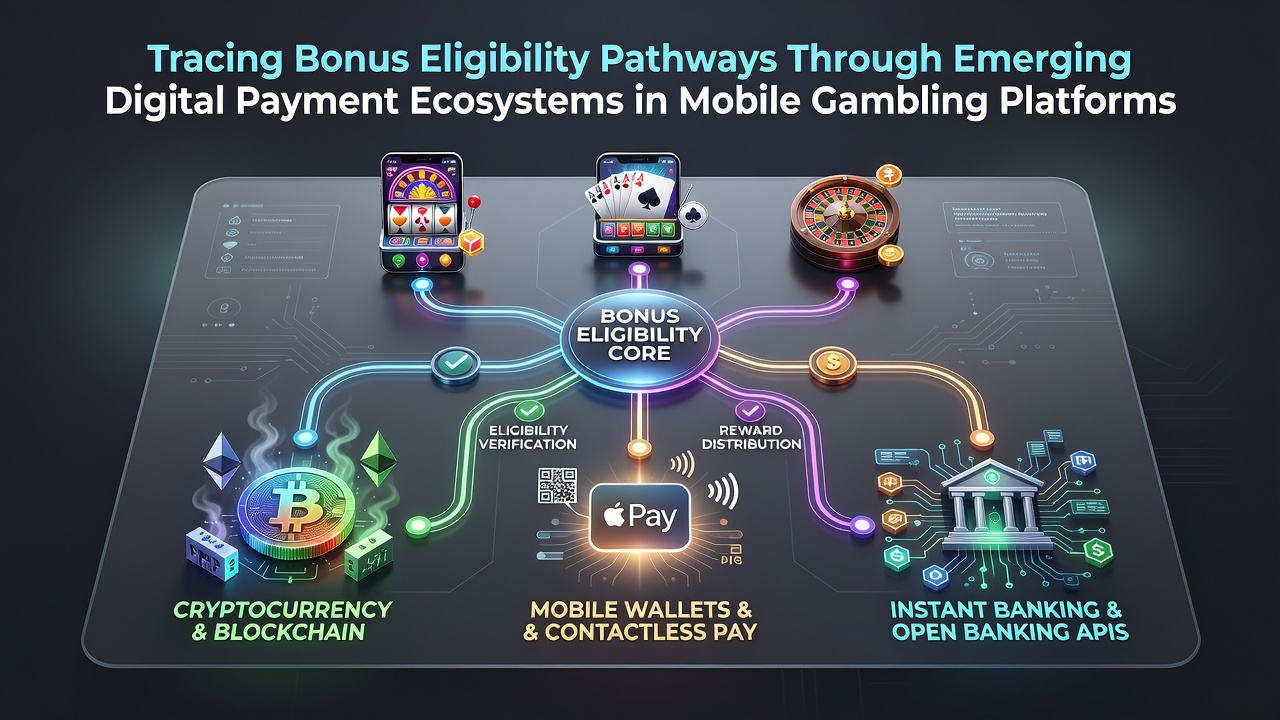
Digital payment systems continue to expand within mobile gambling platforms, creating layered pathways that determine how users qualify for bonuses across different regions and operators. These ecosystems incorporate cryptocurrencies, instant bank transfers, and specialized e-wallets, each carrying distinct verification steps that influence eligibility tracking from deposit to reward activation.
Operators integrate these payment methods through application programming interfaces that log transaction data in real time, allowing automated checks against bonus terms such as minimum deposit thresholds and geographic restrictions. Research from the International Gaming Institute at the University of Nevada indicates that transaction metadata now feeds directly into eligibility algorithms, reducing manual reviews while increasing precision in compliance monitoring.
Payment Method Integration and Eligibility Mapping
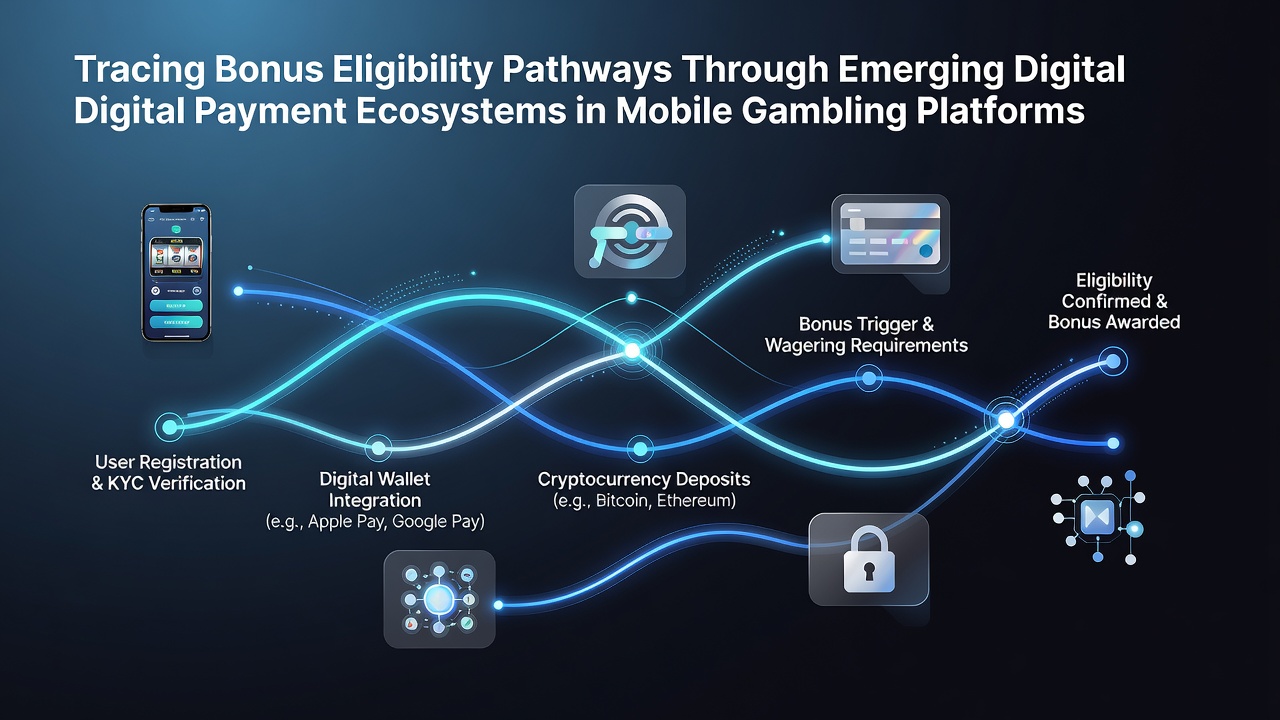
Users encounter varied onboarding sequences depending on whether they select traditional cards, digital wallets, or blockchain-based options, and each route triggers specific data points that systems evaluate for bonus qualification. For instance, crypto deposits often require wallet address verification and blockchain confirmation timestamps, whereas e-wallet transfers emphasize account linkage and source-of-funds declarations that feed into automated scoring models.
Those who've examined platform architectures note that eligibility pathways branch early during the deposit stage, with some routes leading to instant bonus crediting while others route through additional compliance layers. Data from the European Gaming and Betting Association shows that platforms processing over 60 percent of mobile transactions via emerging digital methods have adjusted their tracking systems to flag incomplete verification chains before rewards activate.
Verification Layers Across Regions
Regional regulatory frameworks add further dimensions to these pathways, requiring operators to align bonus systems with local standards for identity confirmation and transaction monitoring. In Canada, provincial gaming authorities have documented how digital payment ecosystems must incorporate real-time reporting that connects deposit origins to player accounts, creating traceable routes that operators use to validate eligibility claims.
Platforms operating across multiple jurisdictions maintain separate logic trees for each market, ensuring that a bonus triggered through a cryptocurrency deposit in one area meets different criteria than the same method used elsewhere. Observers note that these adjustments became more pronounced following updates in verification protocols around mid-2026, when several operators synchronized their systems ahead of anticipated cross-border payment harmonization efforts.
Transaction Data Flows and Bonus Activation
Once a deposit completes, the payment ecosystem transmits structured records including amount, currency type, and confirmation status to centralized bonus engines that cross-reference these details against predefined rules. This process connects directly to mobile app session data, allowing operators to confirm that the transaction originated from an approved device and location before releasing any associated rewards.
Studies conducted by academic researchers at the University of Sydney's Gambling Research Unit reveal that platforms employing multi-chain verification for digital assets experience fewer eligibility disputes, because each step in the payment pathway generates immutable logs that users and operators can reference. These logs support both automated approvals and manual audits when discrepancies arise during bonus claims.
Case Examples from Platform Implementations
One major operator in the Australian market adjusted its mobile systems in early 2026 to route all bonus-related deposits through a unified digital payment gateway that automatically applies eligibility filters based on transaction velocity and payment source. This change allowed the platform to handle increased mobile volume while maintaining consistent qualification standards across different bonus categories.
Another example comes from North American operators who integrated stablecoin options into their apps, creating eligibility pathways that require proof of wallet ownership alongside standard account verification. Figures released by state-level gaming bodies in the United States show that such integrations have streamlined bonus distribution for verified users while adding checkpoints that prevent premature reward activation.
Future Developments in Tracking Systems
Developments scheduled for rollout around June 2026 include enhanced interoperability standards between payment providers and gambling platforms, which experts expect will further refine how eligibility data moves through these ecosystems. These standards aim to standardize data fields used for bonus qualification, reducing fragmentation that currently exists across different mobile applications.
Industry reports indicate that continued adoption of these emerging payment methods will require ongoing refinements to tracking mechanisms, particularly as operators expand into new markets with distinct regulatory expectations. The result is a continuously evolving map of pathways that connect deposits to bonuses through increasingly sophisticated digital infrastructure.
Conclusion
Emerging digital payment ecosystems have established structured routes that operators and users navigate to determine bonus eligibility in mobile gambling environments. These pathways rely on integrated verification processes, regional compliance requirements, and real-time data exchanges that together create traceable sequences from initial deposit through reward activation. As platforms continue to adopt new payment technologies, the systems managing eligibility will likely incorporate additional layers of automation and cross-referencing to maintain accuracy across diverse markets.