How Interface Flows Guide Bonus Claims in Integrated Casino and Sportsbook Sites
Ben Schmid · Jun 16, 2026
How Interface Flows Guide Bonus Claims in Integrated Casino and Sportsbook Sites
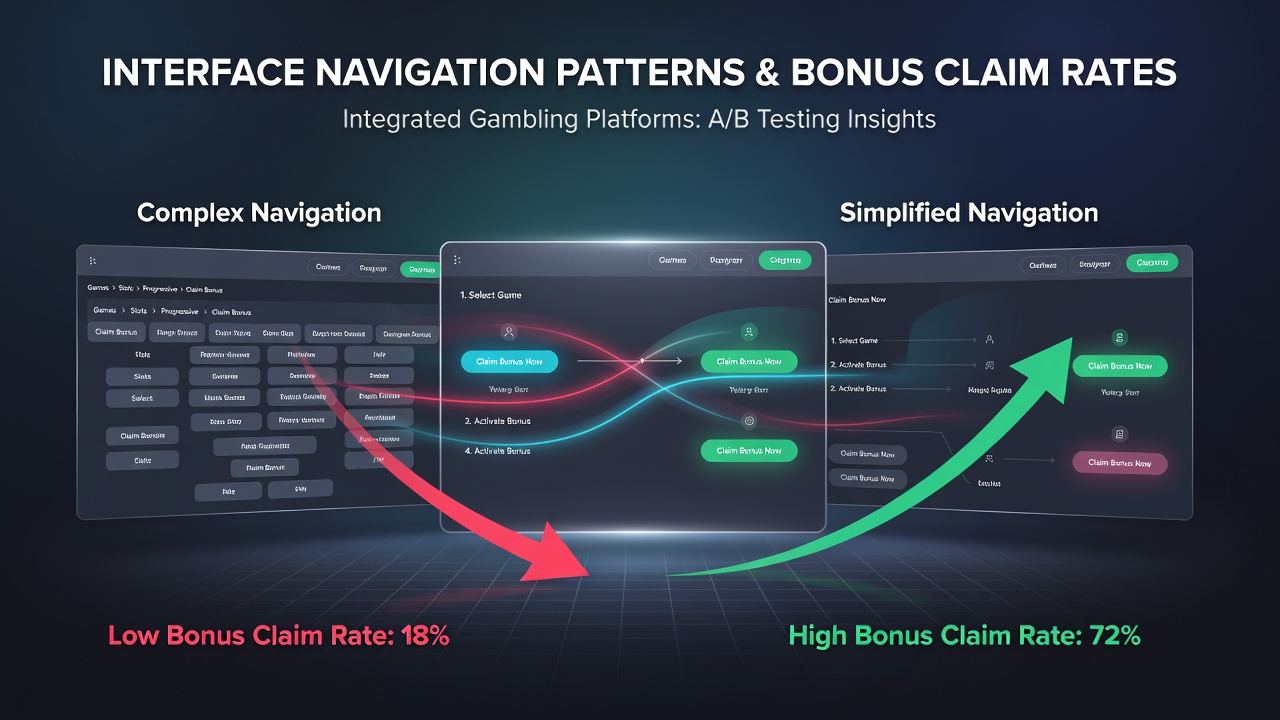
Integrated gambling platforms combine casino games, sports betting, and poker rooms under single accounts, which means navigation patterns determine how quickly users locate and activate promotional offers. Research from multiple regions shows that menu structures, tab arrangements, and in-app prompts directly correlate with the percentage of eligible players who complete bonus claims.
Core Navigation Elements in Unified Platforms
Designers rely on persistent bottom navigation bars, swipeable category carousels, and collapsible side menus to organize content across game types. Data collected by platform analytics teams indicate that fixed-position bonus banners placed within two taps of the home screen increase claim completion by measurable margins compared with deeper menu placements. Observers note that users who must scroll through multiple layers before seeing an offer often abandon the process before finishing required steps such as deposit confirmation or terms acceptance.
Tabbed interfaces that separate casino, sports, and promotions sections allow simultaneous visibility of bonus indicators, while hamburger menus hide these elements behind additional clicks. A study conducted by the Australian Institute of Criminology examined user sessions across several operators and found that platforms using persistent tabs recorded higher interaction rates with welcome and reload offers than those relying solely on hamburger navigation.
Behavioral Patterns and Claim Completion
Heatmap analyses reveal that players scan central screen areas first, then move toward bottom navigation bars. When bonus claim buttons sit in these high-visibility zones, completion rates rise because fewer decisions are required before action. Conversely, offers buried inside profile sub-menus or triggered only after specific game selections see lower uptake even when the monetary value remains identical.
Push notifications and in-app modals that appear immediately after login also influence outcomes, yet their effectiveness depends on timing and placement relative to existing navigation flows. Platforms that coordinate modal triggers with tab switches report stronger results because users encounter the prompt while already engaged with the interface rather than during unrelated browsing.
Comparative Data Across Regions
Figures released by the Nevada Gaming Control Board and parallel reports from Canadian provincial regulators show consistent patterns: operators that redesigned their promotion sections to sit alongside game categories recorded improved bonus activation within the first thirty days post-update. One analysis of mobile sessions demonstrated that swipe gestures leading directly to a dedicated offers hub reduced drop-off during the claim sequence by streamlining the path from discovery to confirmation.
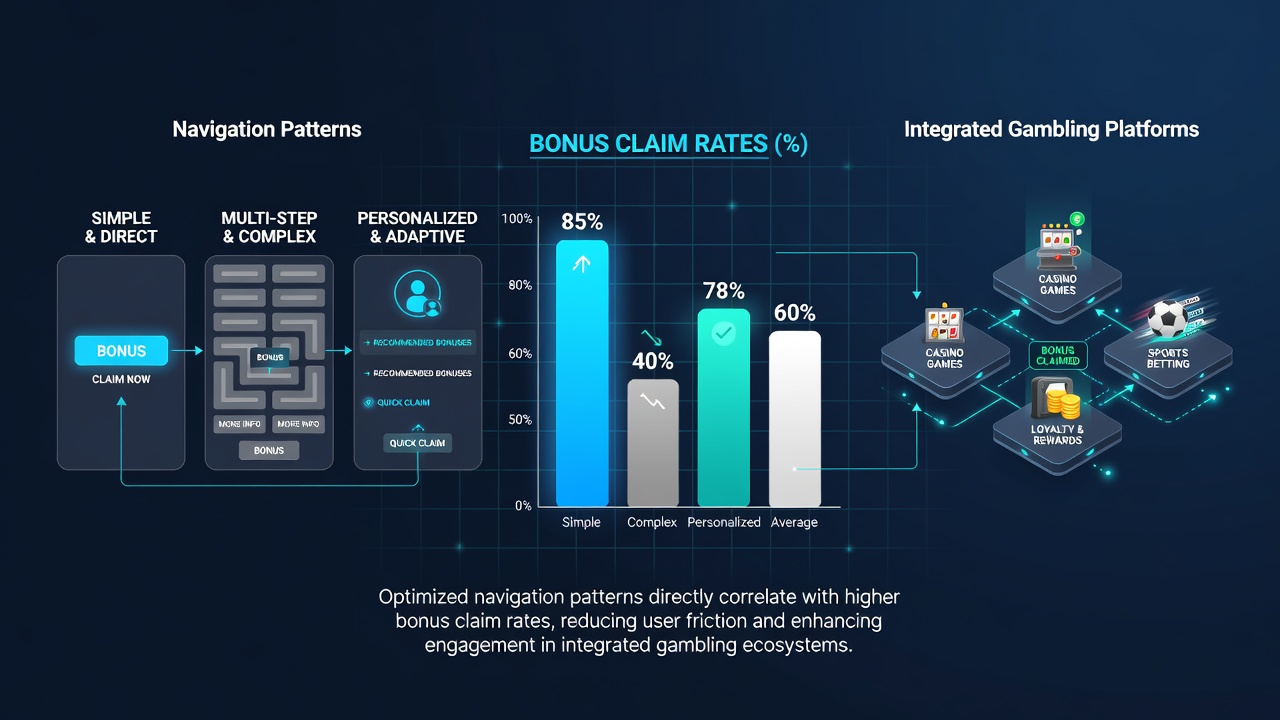
European operators adopting similar layout adjustments around the same period documented parallel improvements, suggesting the effect transcends specific regulatory environments. Researchers at the University of Sydney's Gambling Treatment and Research Clinic tracked session recordings and confirmed that reducing the number of taps needed to reach claim screens correlated with higher completion percentages across different demographic groups.
Design Adjustments and Measured Outcomes
Operators have tested variations such as floating action buttons, persistent header notifications, and contextual tooltips that appear when users hover near deposit areas. Results indicate that floating buttons positioned near account balance displays produce reliable lifts in claims because they remain visible during balance checks, a common trigger point for considering bonuses. Tooltips that explain wagering requirements without forcing navigation away from the main flow further support completion by answering questions in context.
Case examples from multi-brand operators show that unifying navigation patterns across casino and sportsbook sections creates a single mental model for users, which reduces confusion when switching between game types. When bonus indicators appear consistently in the same screen location regardless of section, players develop faster recognition and higher claim consistency over repeated visits.
Conclusion
Navigation patterns in integrated platforms shape the practical accessibility of bonuses through menu depth, button placement, and gesture support. Evidence from regulatory data and academic tracking studies demonstrates measurable differences in claim rates tied directly to these structural choices. Operators continue refining layouts to align with observed user pathways, while researchers track resulting behavioral shifts across markets. As platforms evolve, the relationship between interface design and promotional engagement remains a central factor in platform performance metrics.