Loyalty Programs Compared: Reward Tiers in Digital Bingo and Esports Betting Explained
Xander Foster · May 28, 2026
Loyalty Programs Compared: Reward Tiers in Digital Bingo and Esports Betting Explained
Digital bingo halls and esports betting platforms have developed structured loyalty systems that track player activity through points accumulation and tier advancement, with each level unlocking specific benefits based on consistent participation. These programs operate on similar principles yet differ in how points convert from gameplay versus wager volume, creating distinct pathways for rewards redemption across the two sectors.
Core Mechanics of Tier Progression
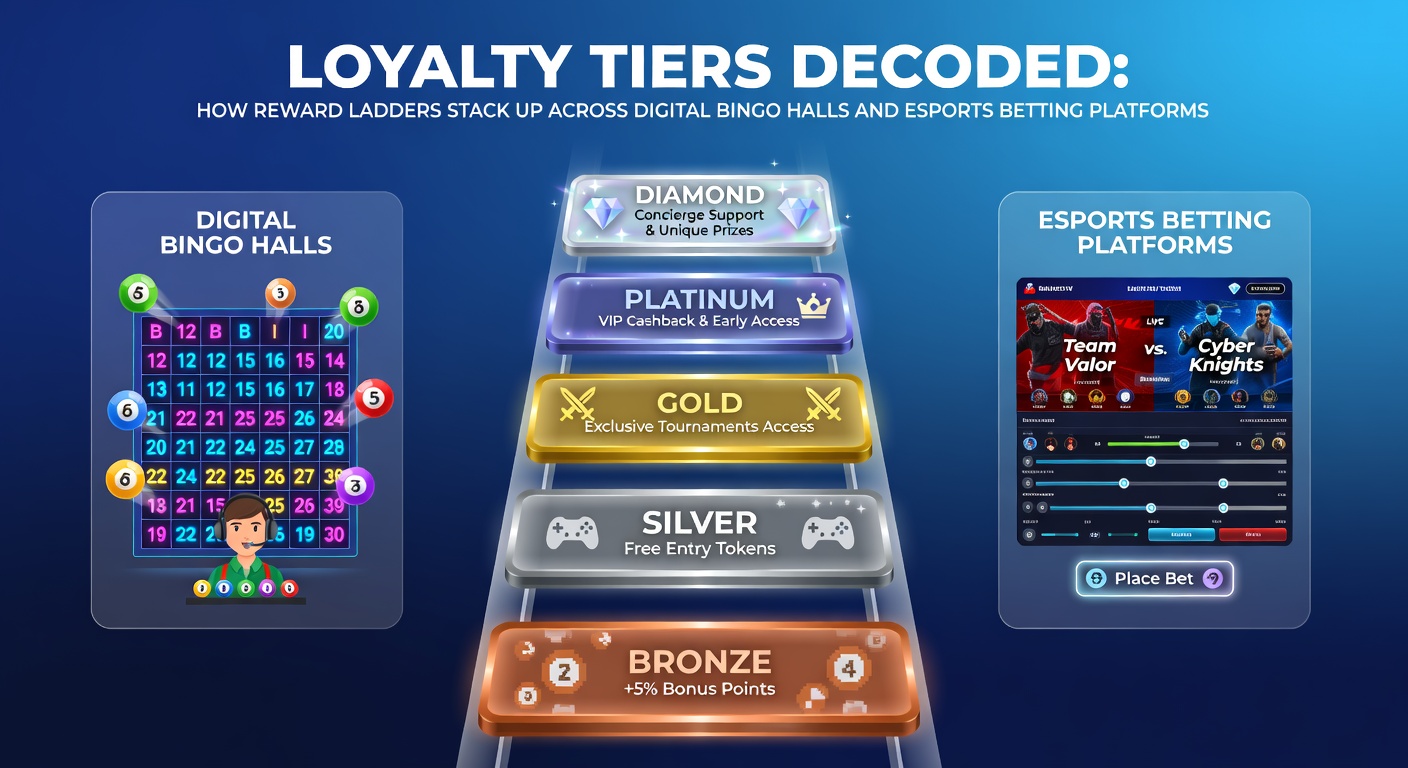
Players earn points through regular activity, where bingo platforms typically award credits for each ticket purchased or game completed while esports sites calculate rewards from bet amounts placed on matches and tournaments. Advancement occurs when accumulated totals reach defined thresholds, moving participants from entry-level status into higher brackets that provide enhanced cashback percentages, exclusive promotions, and faster support access. Data from industry tracking services shows that most programs reset points annually or seasonally, requiring ongoing engagement to maintain elevated positions.
Entry tiers usually begin with minimal requirements such as initial deposits or first-week activity, granting basic perks like bonus spins or small deposit matches. Mid-level brackets demand higher volume, often tied to monthly play targets, and deliver improved multipliers on rewards along with priority event invitations. Top tiers, reserved for the most active users, frequently include personalized account managers and invitations to offline gatherings or high-value prize draws.
Variations Across Bingo Platforms
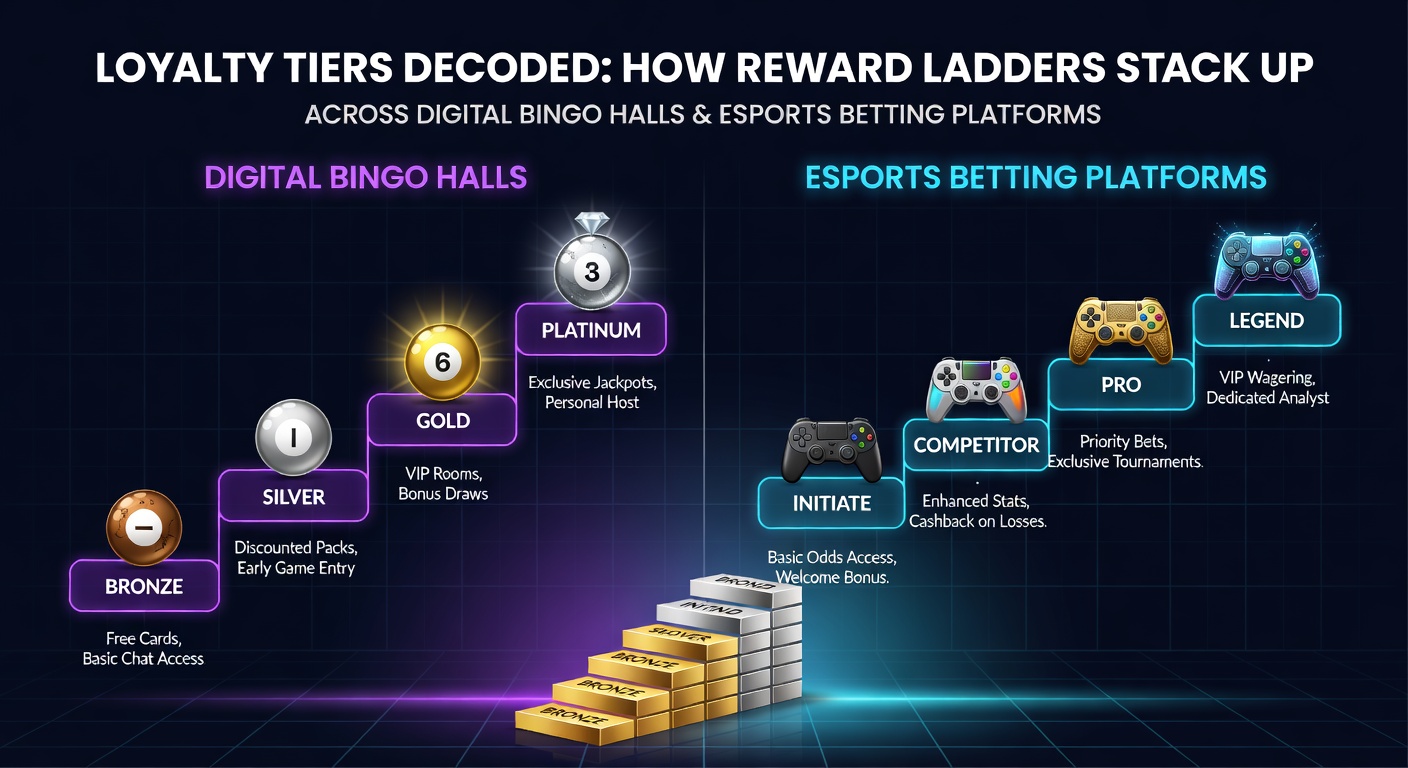
Bingo operators structure their ladders around session frequency and ticket spend, with points often accruing from both real-money and promotional play. Several sites differentiate between standard room participation and special jackpot games, assigning higher multipliers to the latter to encourage broader engagement. Redemption options commonly include free tickets, cash equivalents, and merchandise, though conversion rates vary by tier with premium members receiving more favorable exchanges.
Observers note that seasonal events in May 2026 have prompted several bingo apps to introduce temporary tier boosts, allowing quicker progression during promotional windows tied to major tournaments. These adjustments align with broader platform updates aimed at sustaining user retention amid competitive market conditions.
Esports Betting Platform Approaches
Esports operators link rewards directly to betting activity on titles such as League of Legends, Counter-Strike, and Valorant, where point earnings scale with stake size and outcome accuracy on live markets. Tier systems here emphasize risk-adjusted play, with some platforms offering streak bonuses for consecutive successful wagers that accelerate movement through the ladder. Benefits at higher levels often encompass enhanced odds boosts, reduced commission on certain bet types, and early access to new tournament props.
Research from the American Gaming Association indicates that esports loyalty structures increasingly incorporate data analytics to personalize tier offers, matching reward types to individual betting patterns observed over multiple seasons. This approach contrasts with bingo models that rely more heavily on uniform play thresholds across all participants.
Direct Comparisons of Benefits and Redemption
Both sectors provide cashback as a foundational reward, yet bingo platforms tend to apply it across all game types while esports sites often limit it to specific markets or exclude live in-play bets at lower tiers. Deposit bonuses appear more frequently in bingo programs, scaling with tier status, whereas esports platforms favor free bet credits and insurance on losing wagers as differentiation tools. Withdrawal speed enhancements and fee waivers represent common high-tier privileges in both categories, though eligibility criteria reflect the distinct activity metrics each industry prioritizes.
According to reports from the Australian Gambling Research Centre, cross-platform users frequently maintain separate accounts to optimize tier benefits, selecting bingo for steady accumulation and esports for high-variance reward spikes. This behavior highlights how the two systems complement rather than directly compete in user strategies.
Tracking Tools and User Experience
Modern interfaces display real-time point balances, upcoming tier thresholds, and projected reward values, allowing participants to monitor progress without external calculations. Notifications alert users when nearing advancement milestones, and integrated calendars highlight limited-time challenges that multiply earnings. Accessibility features such as mobile dashboards ensure consistent tracking regardless of device, supporting the shift toward app-based engagement observed across both bingo and esports operators.
Conclusion
Loyalty tier systems in digital bingo halls and esports betting platforms function through parallel yet specialized frameworks that reward sustained activity with graduated benefits. Points mechanisms, redemption flexibility, and progression speed reflect the core gameplay differences between ticket-based bingo and wager-driven esports betting, while shared elements like cashback and support priority create comparable value at equivalent levels. Current developments through mid-2026 continue to refine these structures in response to player data and competitive pressures, maintaining distinct yet interconnected reward ladders across the sectors.