Loyalty Tier Navigation in Multi-Game Gambling Platforms and Its Impact on Player Retention
Jordan Patterson · Jul 30, 2026
Loyalty Tier Navigation in Multi-Game Gambling Platforms and Its Impact on Player Retention
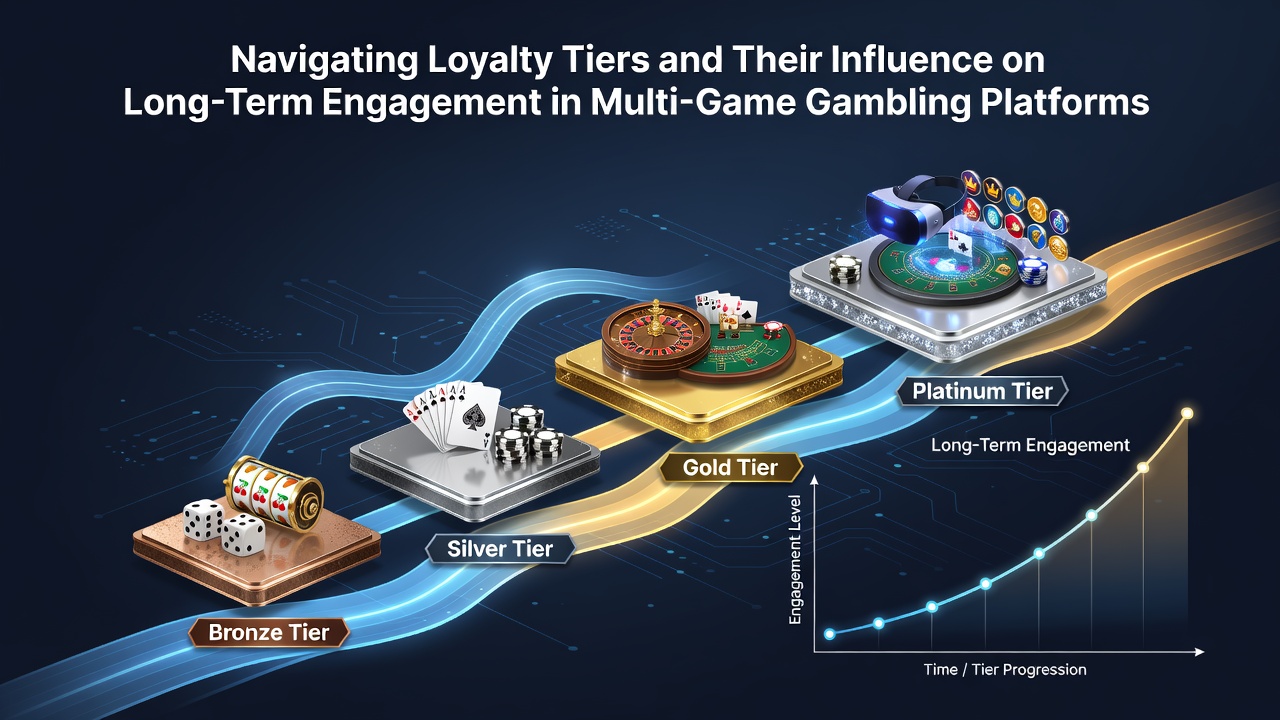
Multi-game gambling platforms integrate slots, table games, poker rooms, and sportsbooks under unified accounts, and loyalty tiers operate as structured progression systems that reward cumulative activity with escalating benefits. These tiers typically advance through points accumulated from wagers across different verticals, with entry levels granting basic perks such as bonus credits while higher tiers unlock faster withdrawal processing, dedicated account managers, and exclusive event access.
Core Components of Tier Progression Systems
Points calculation formulas assign varying multipliers to different game types, so wagering on slots might generate one point per unit bet whereas poker rake contributes at a different rate, and sports bets add points based on stake size and odds. Platforms reset or carry over points at annual intervals, which forces users to maintain activity levels to preserve status, and data from industry tracking shows that platforms with quarterly qualification windows retain higher percentages of mid-tier participants compared to those using annual resets alone.
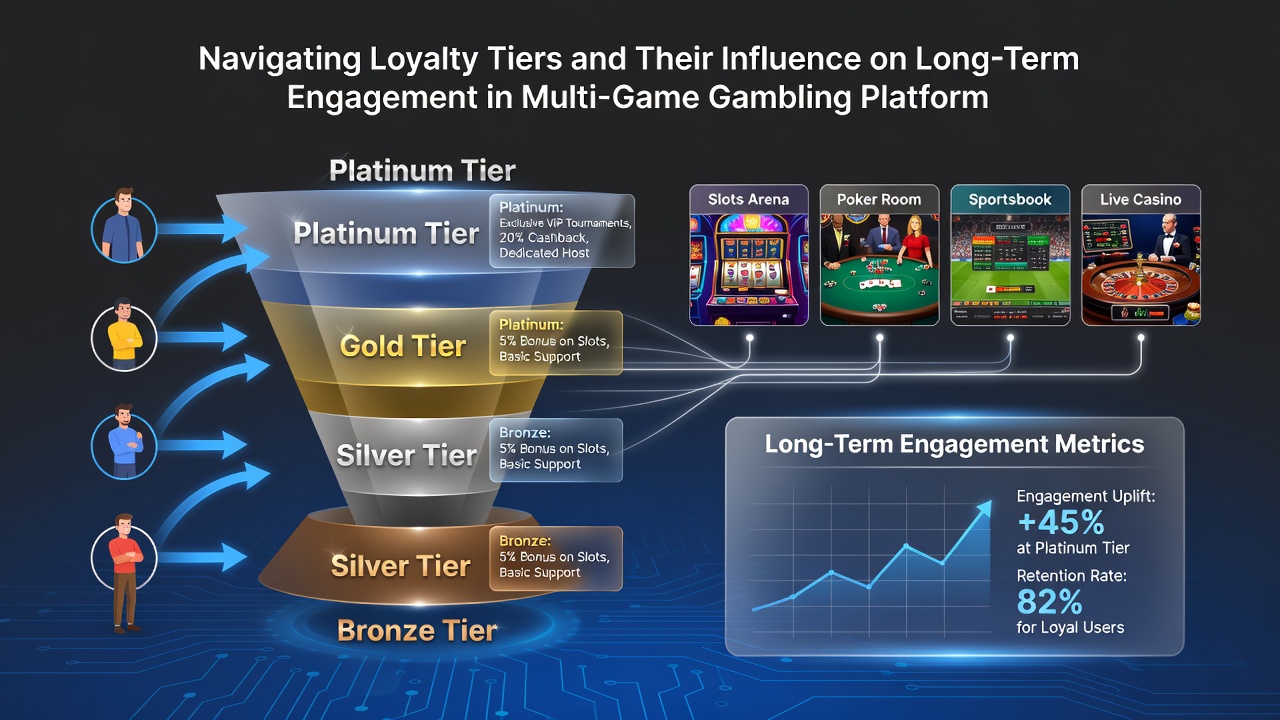
Benefit structures differ by tier, with silver or bronze levels offering deposit match reloads and cashback percentages that increase at gold or platinum status, while diamond or elite tiers provide personalized promotions tied to individual play patterns. Observers note that cross-game point pooling encourages diversification, as users shift between verticals to accelerate tier climbs without concentrating solely on one product.
Influence on Sustained User Activity Patterns
Long-term engagement metrics track repeat visit frequency, session duration, and total handle over six- to twelve-month periods, and tier advancement correlates with measurable increases in these indicators because unlocked benefits create tangible incentives to continue play. Research indicates that participants reaching mid-tier status within the first three months demonstrate retention rates approximately 25 percent higher than those remaining at entry level, according to aggregated platform analytics shared at industry conferences.
Seasonal events in July 2026 aligned with major sports calendars prompted several operators to introduce accelerated point multipliers across betting and casino sections simultaneously, resulting in temporary spikes in cross-vertical activity as users sought to secure tier status before qualification deadlines. Those who've studied retention data observe that such campaigns produce lasting effects when tier benefits remain accessible post-event, whereas abrupt removal of multipliers leads to measurable drops in engagement within four to six weeks.
Comparative Approaches Across Jurisdictions
Operators licensed under the Malta Gaming Authority structure tiers with explicit responsible gaming caps on reward redemption, whereas platforms serving Australian markets incorporate mandatory harm-minimization features that pause point accumulation once predefined loss thresholds activate. A study published through the Australian Institute of Family Studies examined loyalty program data from integrated sites and found that transparent point-to-reward conversion tables correlate with steadier long-term participation across multiple game categories.
North American multi-state operators apply tier systems that recognize activity across both online and retail locations, allowing sports bettors to earn points redeemable in casino environments and vice versa, which extends engagement windows beyond single-session visits. Industry reports from the American Gaming Association document how integrated tier tracking reduces player migration between competing platforms when benefits accumulate across a user's full activity history rather than resetting per vertical.
Implementation Challenges and Platform Adjustments
Technical integration requires real-time synchronization of point ledgers across disparate game servers, and delays in updating tier status after large wagers can frustrate users attempting to qualify during promotional windows. Operators address this through mobile dashboards that display projected tier movement based on pending settlements, while compliance teams monitor for patterns where tier incentives might encourage excessive play volumes.
Multi-game environments introduce complexity because different verticals carry distinct house edges and session lengths, so point multipliers require calibration to prevent unintended concentration in high-volume, low-margin products. Adjustments implemented in early 2026 balanced these factors by introducing tier-specific multipliers that reward consistent participation rather than raw volume alone.
Conclusion
Tier navigation in multi-game gambling platforms functions through interconnected point systems, benefit escalations, and qualification mechanics that collectively shape retention patterns across extended timeframes. Available data shows measurable links between tier advancement opportunities and sustained activity metrics, with cross-jurisdictional variations demonstrating how regulatory frameworks influence program design. Platforms continue refining these structures to align with both operational requirements and evolving participation trends observed through 2026.