Loyalty Tier Structures in Integrated Bingo-Poker Environments and Their Role in Sustained Player Participation
Dana Schmitt · Jul 25, 2026
Loyalty Tier Structures in Integrated Bingo-Poker Environments and Their Role in Sustained Player Participation
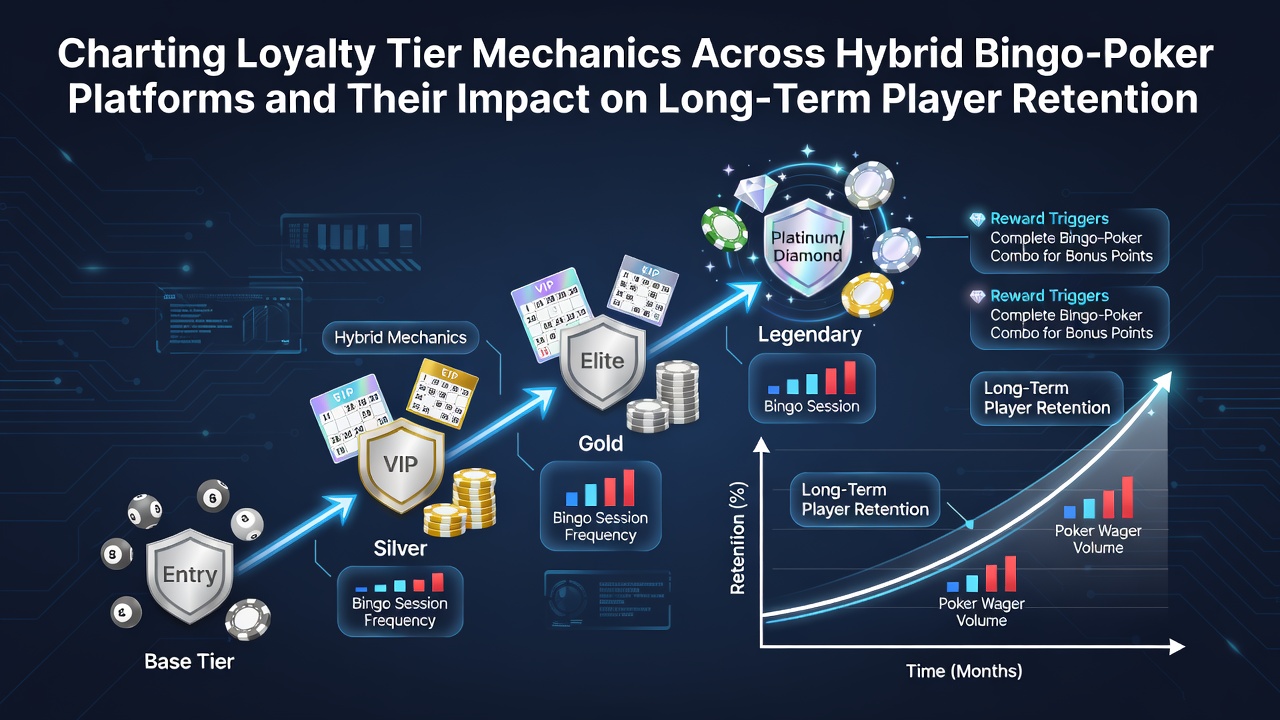
Hybrid bingo-poker platforms combine elements of both games within single user accounts, and loyalty tier mechanics form a core component of how these sites structure ongoing engagement. Operators track player activity across bingo rooms and poker tables, then assign tier levels based on cumulative points earned from wagers, session duration, and game variety. Higher tiers unlock benefits such as reduced rake in poker, bonus bingo cards, and expedited withdrawals, while entry-level tiers focus on introductory multipliers that encourage initial repeat visits.
Mechanics of Tier Progression in Hybrid Settings
Points accumulation works through weighted formulas that assign different values to bingo tickets versus poker hands, so a player who splits time between both formats advances faster than someone focused on one game alone. Research from industry monitoring groups shows that platforms often reset point counters monthly or quarterly, which resets some players to lower tiers and prompts renewed activity to regain status. Data indicates that visible progress bars and milestone notifications appear in app dashboards, and these visual cues correlate with increased login frequency according to aggregated user behavior logs shared in operator summaries.
Tier benefits scale in complexity as players climb, with mid-level rewards including access to private bingo rooms that offer higher jackpot pools and poker tables with lower minimum bets. Top tiers add personalized account managers along with invitations to exclusive tournaments that blend bingo draws and poker sit-and-gos in the same event schedule. Figures from platform analytics released in early 2026 reveal that players who reach the second-highest tier maintain accounts active for an average of fourteen months longer than those who remain at base level.
Retention Patterns Linked to Tier Benefits
Long-term retention data collected across multiple hybrid sites points to a measurable uptick in weekly active users once players cross into the third tier, where cashback percentages on net losses typically reach five percent. Observers note that this cashback functions as a buffer during losing streaks, which reduces immediate churn rates compared with flat bonus structures that expire quickly. Studies conducted by academic teams at institutions such as the University of Nevada, Las Vegas have tracked cohorts of players over eighteen-month periods and found that tiered cashback users return at rates twenty-two percent higher than non-tiered counterparts.
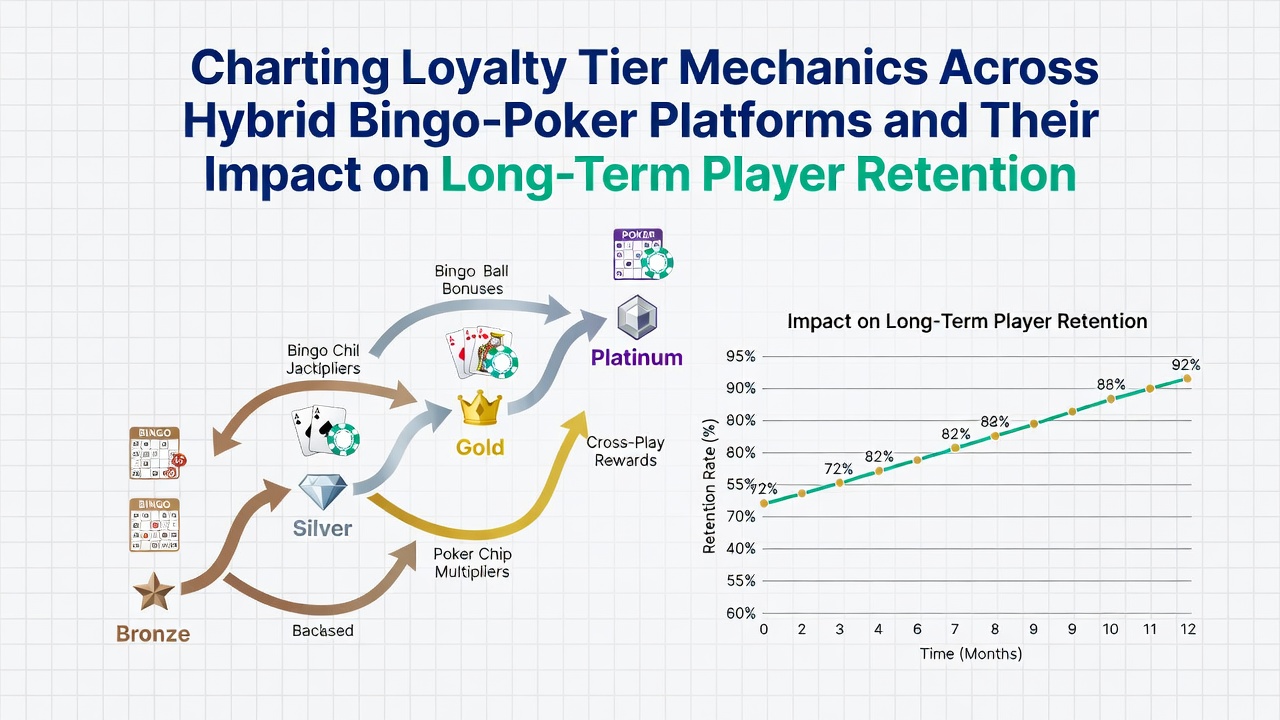
Seasonal events scheduled around major holidays further amplify tier effects, because operators temporarily double point earnings on specific bingo sessions or poker variants. As of July 2026 several platforms introduced cross-format leaderboards that award bonus tier points to top performers in combined bingo-poker leaderboards, and early figures show these events lift average session length by thirty-five minutes. Retention metrics improve most noticeably among players who participate in both formats, because the dual-path progression creates multiple avenues for status maintenance even when one game experiences temporary downtime.
Comparative Data from Regulatory and Industry Sources
Reports issued by the iGaming Ontario authority document retention improvements among operators that integrate tier visibility into mobile notifications, with churn dropping by eleven percent in the six months following implementation. Similar patterns appear in analyses from the Australian Communications and Media Authority, where hybrid sites that publish clear tier calendars experience steadier month-to-month active player counts. These sources emphasize that transparency in how points convert to rewards reduces player frustration and supports longer account lifespans without requiring external promotional spend.
Operators also adjust tier thresholds seasonally to balance acquisition costs against retention gains, and internal dashboards shared in trade association briefings indicate that lowering the points needed for mid-tier access during slower summer months preserves overall engagement levels. Evidence from multi-site comparisons suggests that platforms offering transferable tier status across bingo and poker sub-sections retain users more effectively than those that keep separate ladders for each game type.
Conclusion
Tier mechanics in hybrid bingo-poker environments operate through interconnected point systems that reward diversified play while scaling benefits according to sustained activity. Retention outcomes improve when players perceive clear pathways to higher status and when benefits address both short-term cash flow and long-term access privileges. Available data from regulatory bodies and academic tracking studies continue to map these relationships as more platforms adopt integrated formats, providing operators with measurable benchmarks for refining tier structures in coming periods.