Payment Gateway Integration Complexities in Casino and Sportsbook Software
Devon Franke · Jul 18, 2026

Payment Gateway Integration Complexities in Casino and Sportsbook Software
Operators running casino and sportsbook applications face ongoing technical demands when they connect several payment gateways at once, and these demands grow more intricate as transaction volumes rise across global markets. Systems must handle credit cards, e-wallets, bank transfers, and digital currencies through unified interfaces that maintain speed and reliability during peak betting periods.
Technical Compatibility Issues Across Providers
Each payment provider supplies its own API structure, authentication method, and data format, so development teams spend considerable time aligning these differences into a single backend. One provider may require specific webhook responses while another uses polling intervals, and mismatches trigger failed transactions or delayed balance updates for users. Researchers at the University of Nevada, Reno documented how such inconsistencies increase error rates by up to 18 percent in multi-gateway environments when testing was limited to isolated sandboxes.
Real-time requirements in sportsbooks add further pressure because odds change rapidly and bets must settle instantly after events conclude. A delay of even a few seconds from one gateway can create discrepancies between displayed balances and actual available funds, leading operators to implement buffering layers that reconcile data every few minutes. Those layers require additional server resources and careful monitoring to avoid cascading failures during high-traffic events.
Security and Compliance Demands
Payment integration also intersects with strict security standards such as PCI DSS and regional data protection rules, and operators must ensure every connected gateway meets certification thresholds before transactions flow through production environments. Updates to encryption protocols or tokenization methods from one provider can force re-certification across the entire stack, and such updates occur without coordinated schedules among vendors. Data indicates that synchronization efforts consume roughly 25 percent of annual maintenance budgets for mid-sized platforms according to industry audits.
Cross-border operations introduce extra layers because jurisdictions enforce distinct rules on fund segregation, reporting thresholds, and player verification. A gateway accepted in one market may lack approval in another, so operators maintain separate routing logic that directs transactions based on user location and license type. This routing logic must update frequently as regulations evolve, particularly ahead of new interoperability requirements expected across several European markets in July 2026.
Operational and User Experience Factors
Users expect seamless deposits and withdrawals regardless of the chosen method, yet behind the scenes the platform translates requests into multiple API calls and status checks. When one system experiences latency, the entire checkout flow slows, and players often abandon transactions rather than wait. Observers note that platforms tracking abandonment rates see spikes of 12 to 15 percent during gateway outages lasting longer than 90 seconds.
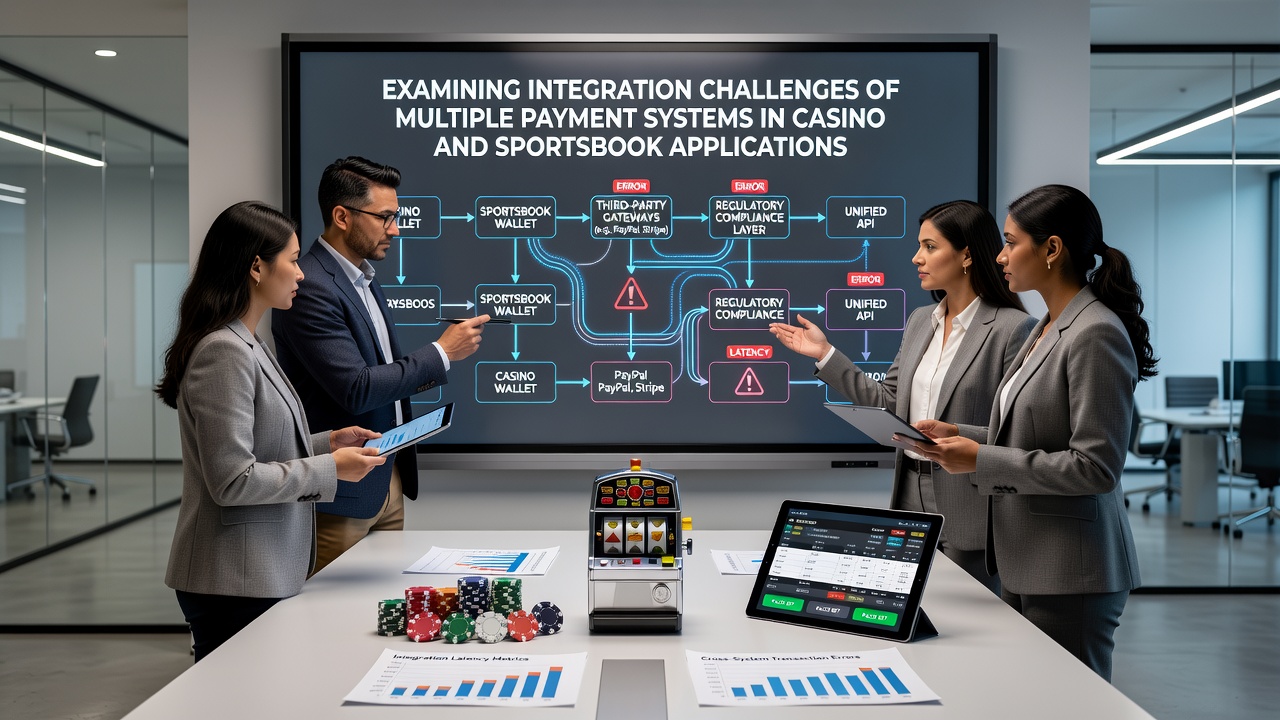
Reconciliation processes add another operational burden because each provider generates reports in different formats and at varying intervals. Finance teams reconcile these reports manually or through custom scripts that map fields across systems, and discrepancies surface when currency conversion rates or fee structures differ slightly between gateways. Automated tools reduce this workload but require ongoing calibration whenever providers alter report structures.
Cost Structures and Scalability Considerations
Transaction fees vary widely across providers, and some impose additional charges for currency conversion or high-volume processing, so operators constantly evaluate which gateways deliver the best margins for different player segments. Integrating a new low-cost option often demands significant upfront development before any savings materialize, and the return on investment depends on adoption rates among users. Reports from the European Gaming and Betting Association highlight that platforms managing five or more gateways typically achieve 7 percent lower average fees once optimization routines mature.
Scalability testing reveals further challenges because load patterns differ between casino sessions and live sports events. A sudden surge in deposits during a major match can overwhelm a single gateway even when others remain under capacity, so traffic distribution algorithms must predict demand and shift volumes dynamically. Those algorithms rely on historical data and real-time signals, and inaccurate forecasts lead to either underutilized connections or rejected transactions.
Conclusion
Integration of multiple payment systems in casino and sportsbook applications continues to require coordinated efforts across technical, security, and operational domains, and these efforts intensify as new providers and regulatory expectations enter the landscape. Platforms that maintain flexible architectures and thorough testing protocols manage these challenges more consistently than those relying on rigid single-vendor setups. Ongoing monitoring and incremental updates remain essential as transaction ecosystems evolve through 2026 and beyond.