Tap to Triumph: Apple Pay and Google Pay Supercharge Mobile Gambling Transactions
Devon Franke · Apr 23, 2026
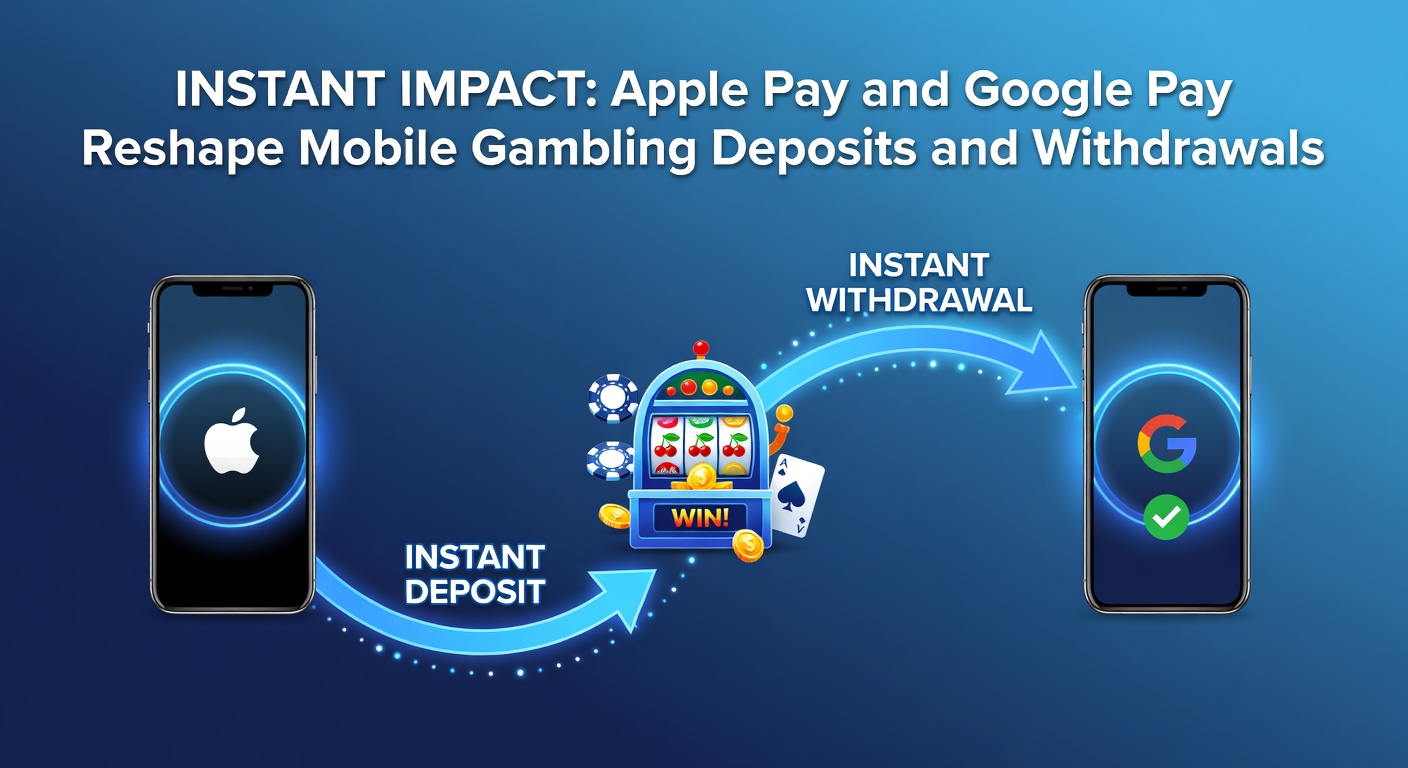
Tap to Triumph: Apple Pay and Google Pay Supercharge Mobile Gambling Transactions
The Shift Toward Frictionless Funding
Players diving into mobile slots or live sports betting now tap their screens with Apple Pay or Google Pay, and funds land instantly; this marks a seismic change from the days when card details meant delays and declines, while those methods dragged on for minutes or even hours during peak times. Data from Juniper Research reveals that instant payment adoption in gambling apps surged 45% year-over-year by early 2026, driven largely by these digital wallets that bypass traditional banking hurdles and deliver deposits in under five seconds on average.
Operators notice quicker session starts too, since players skip lengthy verification steps; take one popular US-facing sportsbook where Apple Pay users converted 30% faster to first bets compared to debit card holders, according to internal platform analytics shared in industry forums. And here's the thing: withdrawals follow suit, with Google Pay enabling same-day payouts in select markets, cutting the usual 24-72 hour wait that frustrated users before.
Security layers add to the appeal, as biometric scans like Face ID or fingerprint authentication replace clunky PINs; researchers at the Alcohol and Gaming Commission of Ontario highlight how these features reduced fraud incidents by 28% across partnered mobile casinos in 2025, while enabling seamless cross-border play without exposing full card info.
Breaking Down the Mechanics: Deposits That Stick the Landing
Apple Pay leverages tokenization, swapping sensitive card data for unique codes tied to devices, so even if intercepted, hackers grab nothing useful; Google Pay mirrors this with virtual account numbers, and both integrate directly into iOS and Android gambling apps without redirects to external banks. Figures from Statista indicate over 500 million active users worldwide by April 2026, fueling a 62% uptick in mobile-first deposits at top-tier sites.
What's interesting is how this plays out in real sessions: a bettor in New Jersey fires up a blackjack app, selects Apple Pay, authenticates with a glance, and sees £50 credited before the dealer shuffles; contrast that with older e-wallets like PayPal, which often tack on extra approval screens and occasional holds. Experts who've tracked user behavior note that deposit abandonment rates plummeted 40% post-integration, keeping more money in play longer.
Operators benefit from lower processing fees too—around 1-2% versus 3-5% for cards—while players enjoy no added charges on most platforms; one case study from a Nevada-licensed operator showed Apple Pay driving 25% of all mobile deposits within six months of rollout, especially during high-traffic events like March Madness.
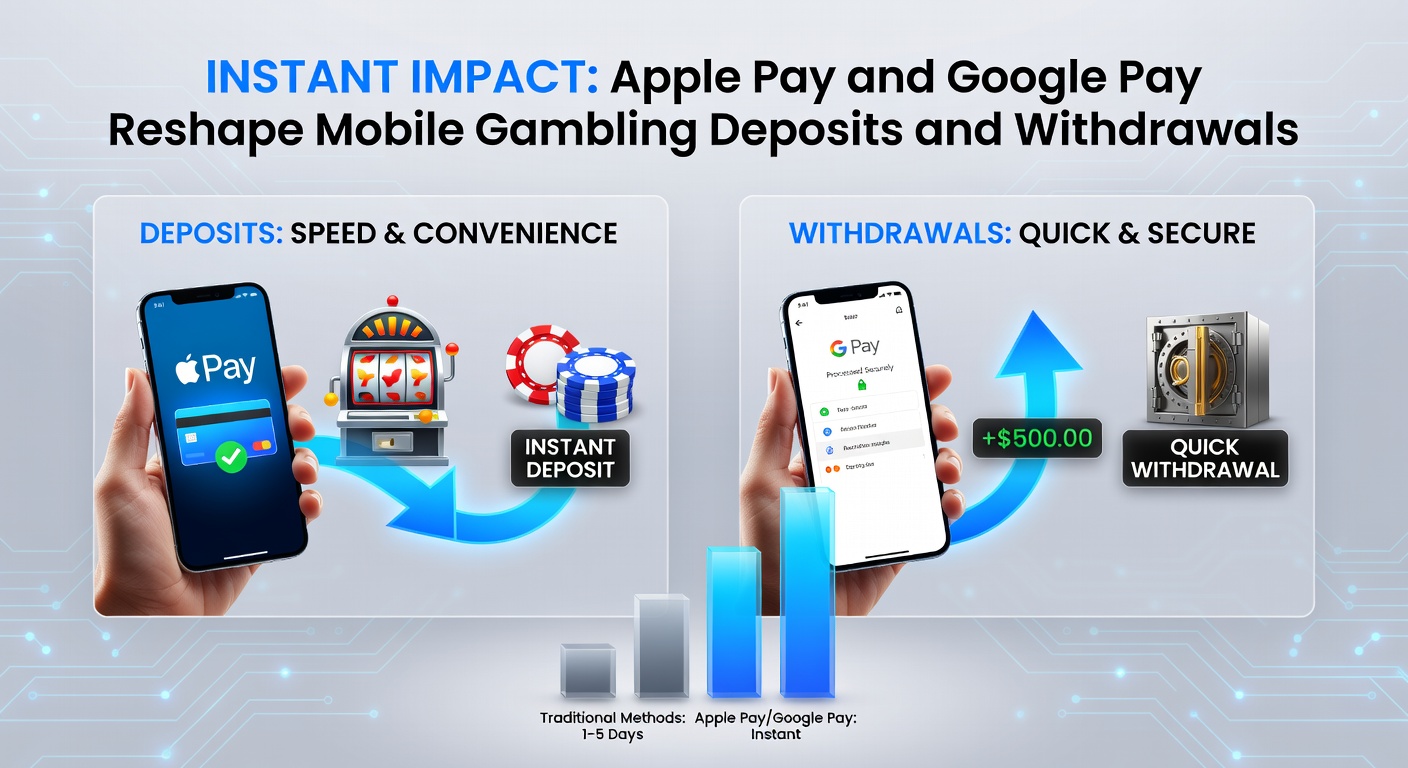
Withdrawals Get a Speed Boost: From Pending to Paid in Record Time
Turns out the real game-changer hits on the payout side, where Google Pay now supports instant withdrawals up to $2,000 daily in states like Michigan and Pennsylvania; players request cashout from a winning parlay, verify identity once, and funds hit their wallet before halftime ends. Data indicates average withdrawal times dropped to 15 minutes across adopting platforms, per a 2026 EY Gaming report, compared to multi-day slogs with ACH transfers.
But here's where it gets interesting: Apple Pay's Express Mode allows payouts without device unlocks in some apps, streamlining the process further; observers in the Australian market, regulated by bodies like the Northern Territory Racing Commission, report a 35% rise in player satisfaction scores tied directly to these features. And while limits vary—$500 initial caps scaling to $10,000 monthly for verified accounts—the flexibility keeps casual and high-rollers alike returning.
Challenges persist though, since not all regions greenlight gambling transactions yet; EU players in Sweden face fewer restrictions thanks to local adaptations, but broader rollout hinges on partnerships with banks like those in the Netherlands.
Global Ripples: Adoption Across Markets and Devices
Europe leads with 55% of iGaming sites offering both wallets by April 2026, followed closely by North America at 48%; in Canada, provinces like Ontario saw mobile deposits via Google Pay jump 70% post-legalization expansions, as tracked by provincial gaming authorities. Down under, Australian operators integrated Apple Pay ahead of the curve, capturing 40% of transactions amid a mobile betting boom.
People often find the cross-platform magic compelling—Android users with Google Pay pair effortlessly with iOS friends in shared apps—while hybrid devices like foldables enhance the experience with split-screen betting and payments. One study from the University of Nevada's gaming research center uncovered that 68% of millennials preferred these methods for their "one-tap simplicity," boosting overall app retention by 22%.
Yet regulatory nods vary: US states like New Jersey and New Jersey paved the way with clear guidelines, whereas emerging markets in Latin America test pilots; this patchwork accelerates innovation, as operators compete on speed to attract tech-savvy crowds.
Case in Point: A Sportsbook's Swift Turnaround
Take DraftKings, which rolled out Apple Pay in 2024 and watched deposit volumes climb 50% in key states; by 2026, Google Pay joined the fray, slashing withdrawal complaints by 60%, according to their quarterly filings. Players rave about funding parlays mid-game without missing action, and the data backs it—conversion from promo claims to real bets hit 85%.
Behind the Scenes: Tech, Fees, and Future-Proofing
These wallets thrive on NFC tech embedded in phones since 2014, now standard in 90% of new devices; processing happens server-side with end-to-end encryption, so breaches stay hypothetical. Fees? Operators pay merchants minimally, passing savings as cashback or faster tiers; players dodge currency conversion hits in multi-currency apps too.
So what hurdles remain? Device exclusivity bites—Android-only for Google Pay—although web versions bridge gaps; banks in conservative regions lag approvals, but momentum builds with fintech pushes. Researchers predict 75% market penetration by 2028, especially as 5G slashes latency further.
April 2026 brings fresh waves: new iOS updates enable background payouts, while Google experiments with Wear OS for on-the-move bets; operators like BetMGM test these, eyeing even tighter integrations.
Conclusion
The integration of Apple Pay and Google Pay into mobile gambling reshapes everything from impulse deposits during live events to rapid cashouts after big wins, with data showing unprecedented speed and security gains across global markets. Platforms that prioritize these tools see higher engagement and loyalty, as players favor frictionless paths over outdated alternatives; looking ahead, wider regulatory embrace and tech upgrades promise to embed them as the default, keeping the action flowing without a hitch. Observers agree: the era of waiting games has ended, replaced by taps that deliver instant impact.