Tiered Loyalty Programs Reshaping Withdrawal Dynamics in Poker and Casino Mobile Applications
Jordan Patterson · Jun 23, 2026
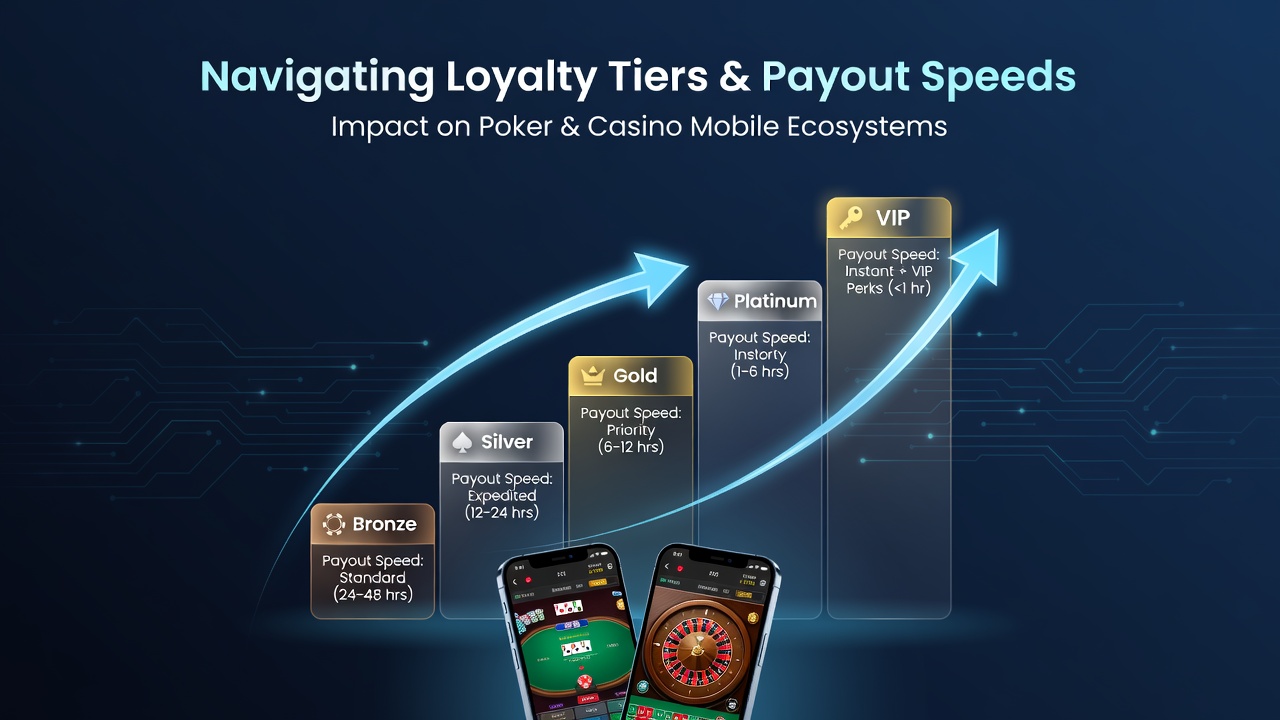
Tiered Loyalty Programs Reshaping Withdrawal Dynamics in Poker and Casino Mobile Applications
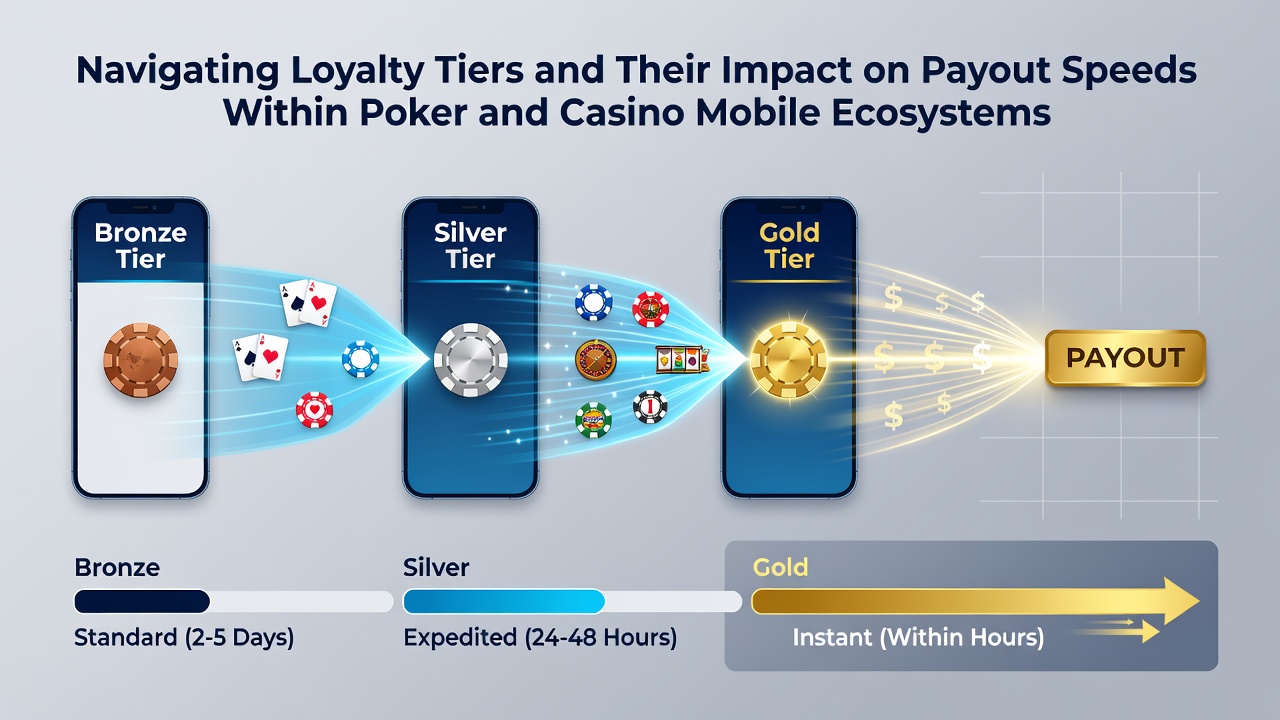
Players navigating mobile poker rooms and casino platforms encounter structured loyalty systems that directly influence how quickly funds reach their accounts after a win, and these programs segment users into progressive tiers based on activity metrics such as wager volume, session frequency, and deposit consistency. Data from industry tracking shows that entry-level participants often face standard processing windows of 24 to 72 hours for electronic transfers while those who advance through silver, gold, and platinum brackets unlock expedited options that compress timelines to under 12 hours in many cases.
Mechanics of Tier Progression in Mobile Ecosystems
Operators calculate tier status through cumulative points earned from real-money play across slots, table games, and poker variants, with algorithms updating rankings daily or weekly depending on the platform architecture. Higher tiers typically grant access to dedicated account managers who coordinate priority reviews for withdrawal requests, bypassing the automated queues that handle standard accounts. Research from academic centers such as the University of Nevada Las Vegas gaming studies department indicates that these systems emerged as retention tools in the early 2010s yet evolved significantly once smartphones became the dominant access point for recreational and serious players alike.
Mobile interfaces display tier progress through visual dashboards that highlight upcoming benefits, including reduced verification layers and expanded daily withdrawal caps. Participants who maintain consistent play across multiple weeks or months trigger automatic upgrades, whereas those with sporadic activity risk demotion after defined inactivity periods. This structure creates clear pathways where increased engagement correlates with measurable improvements in transaction efficiency.
Direct Effects on Payout Timelines and Limits
Withdrawal processing speeds vary sharply across loyalty brackets because platforms allocate dedicated resources to verify and approve requests from premium users first. Standard accounts might encounter additional security checks or batch processing that extends release times, while gold and platinum members receive same-day approvals for amounts up to five or ten times the base limit. Observers note that cryptocurrency options accelerate further for top-tier users, sometimes completing within minutes rather than hours when compared against traditional card or bank transfers.
Fee structures also shift with tier status, as many operators waive processing charges for elite members yet apply percentages or flat rates to lower categories. Figures from platform analytics reveal that payout velocity improvements can reach 60 to 80 percent reductions in average completion time once users cross into the upper tiers. These differences matter most during high-volume periods such as tournament series or promotional events when overall transaction queues lengthen.
Mobile-Specific Factors Influencing Tier Benefits
Smartphone applications integrate loyalty tracking with push notifications that alert users to tier milestones and associated payout perks, creating seamless transitions between play sessions and account management. Developers optimize these apps for instant data syncing, allowing real-time visibility into points balances and pending withdrawal statuses that desktop versions sometimes delay. Those who study user behavior patterns report that mobile-first players advance tiers more rapidly because session lengths and frequency tend to increase on portable devices compared with stationary platforms.
Integration with device-level features such as biometric authentication further streamlines verification steps for higher-tier accounts, removing friction that slows standard requests. In June 2026 several major operators plan to roll out enhanced tier dashboards within their apps that incorporate predictive estimates for payout windows based on current tier and requested method. Such updates build on existing frameworks without altering core regulatory requirements across jurisdictions.
Regional Variations and Platform Examples
Different markets apply loyalty structures with varying emphasis on payout speed as a reward component. North American operators often tie expedited processing to compliance with state-specific rules, whereas European and Asian platforms emphasize tier-based fee reductions alongside timeline improvements. One documented case involved a major poker network that introduced tier-specific crypto rails in 2024, resulting in documented reductions of average cash-out durations for qualifying users according to aggregated platform reports.
Industry organizations including the American Gaming Association have compiled data showing that loyalty participants in mobile environments exhibit higher retention rates when payout advantages align with tier advancement. These patterns hold across both poker-focused apps emphasizing tournament payouts and broader casino suites handling slot and table game winnings. Platform operators adjust tier thresholds periodically to balance player acquisition costs against operational expenses related to faster processing infrastructure.
Conclusion
Loyalty tiers function as structured incentives that measurably alter payout speeds within poker and casino mobile ecosystems by reallocating verification resources and expanding transaction limits for advanced users. Progression depends on sustained activity metrics while benefits manifest through reduced processing windows and waived fees once thresholds are met. Mobile platforms amplify these dynamics through real-time tracking and optimized interfaces that make tier status and its associated advantages immediately visible. As operators continue refining these systems, the relationship between engagement levels and withdrawal efficiency remains a central feature of competitive digital gaming environments.