Transaction Protocol Evolution: Impacts on User Access in Modern Poker and Sportsbook Ecosystems
Dana Schmitt · May 30, 2026
Transaction Protocol Evolution: Impacts on User Access in Modern Poker and Sportsbook Ecosystems
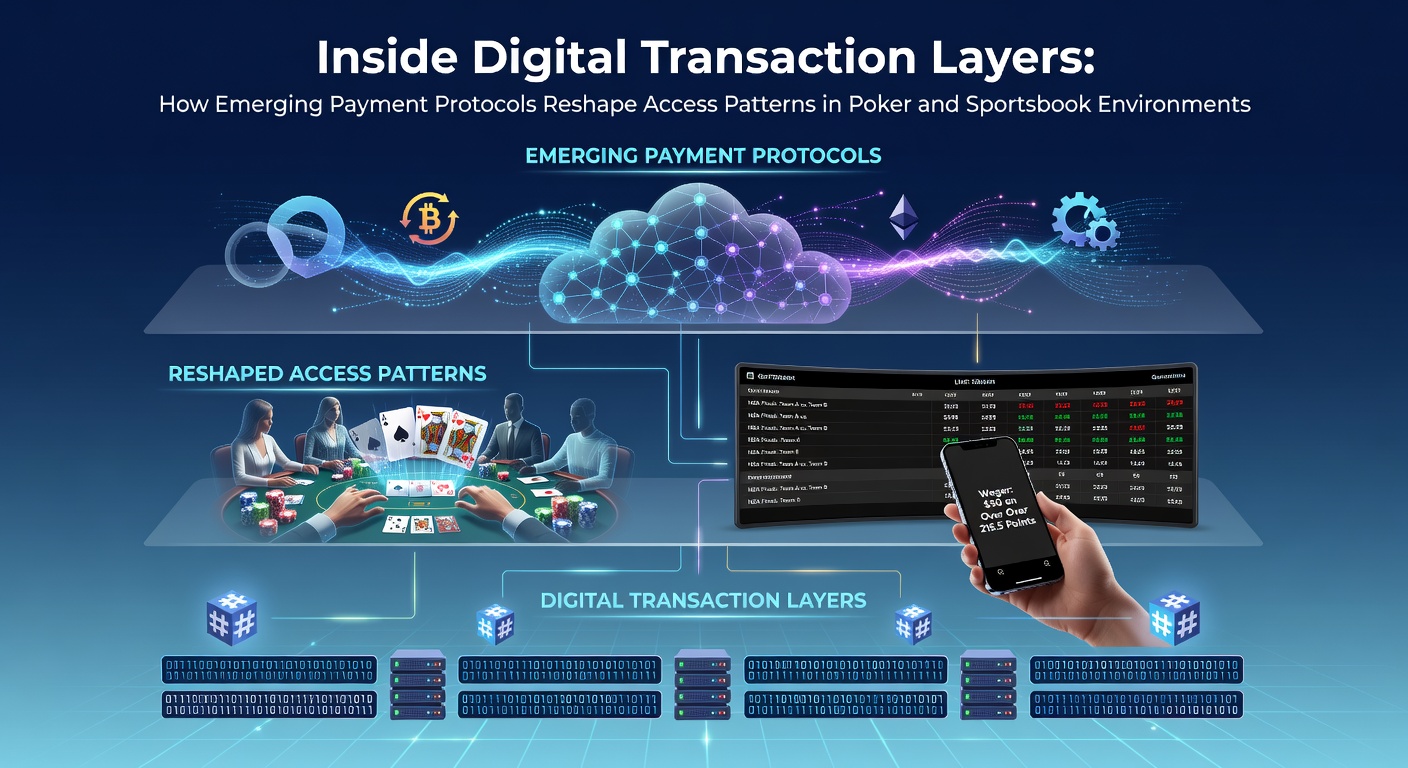
Payment systems in digital gaming have moved beyond basic card processing toward layered protocols that combine blockchain elements, instant settlement networks, and API-driven gateways, and these changes alter how players reach poker tables and sportsbook markets. Data from industry reports indicates that transaction completion times dropped from an average of 48 hours in 2023 to under 90 seconds in many platforms by early 2026, with protocols such as Lightning Network integrations and SEPA Instant Credit Transfers driving the shift. Observers note that such speed directly expands session frequency because users no longer wait through multi-day clearance windows before re-entering games or placing live wagers.
Layered Architecture Behind Current Payment Flows
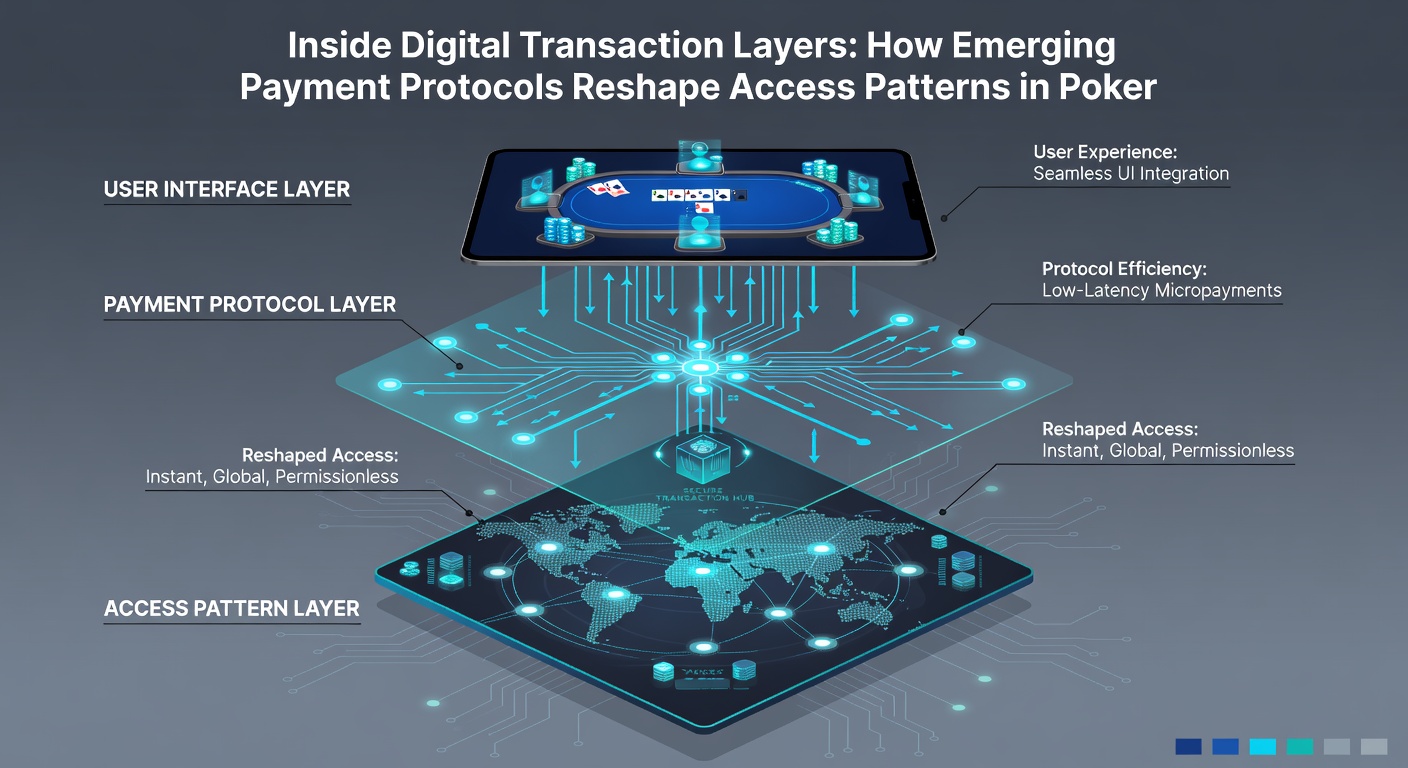
Modern systems stack multiple verification stages where an initial wallet handshake precedes cryptographic confirmation and final ledger entry, while regulatory compliance checks run in parallel rather than sequentially. Researchers at the University of Nevada's gaming analytics program documented that this parallel processing reduces failed deposit rates by 34 percent compared with older single-thread models. Sportsbook operators integrate these layers through standardized APIs that pull real-time odds feeds and simultaneously confirm funding sources, creating a single entry point that previously required separate banking and betting interfaces. Poker rooms apply similar stacks for tournament buy-ins, allowing players to move from external crypto exchange to seat reservation without leaving the application window.
Reshaped Access in Poker Environments
Poker platforms now route deposits through multi-signature wallets that authorize micro-transactions for satellite entries and larger stacks for high-stakes tables within the same session, and this flexibility changes participation patterns. Figures from the European Gaming and Betting Association show that average daily active users on protocol-enabled sites rose 19 percent between May 2025 and May 2026, with the largest gains among users who previously abandoned sessions after deposit delays. Multi-table players benefit because protocol layers permit simultaneous funding of multiple accounts across different operators without repeated identity verification steps, and data indicates session lengths extended by an average of 22 minutes per user. Yet the same architecture introduces new friction points when network congestion on certain blockchains delays confirmations beyond the 30-second threshold most rooms enforce for tournament registration.
Sportsbook Market Entry and Live Betting Adjustments
Live odds markets depend on sub-second updates that match transaction confirmations, so emerging protocols embed settlement triggers directly into the odds engine. When a bettor funds an account via an instant rail such as Faster Payments in the UK or RTP in Brazil, the sportsbook ledger updates before the next play clock expires, allowing wagers on in-progress events that older systems excluded. A 2025 study released by the Australian Institute of Criminology tracked a 27 percent increase in live-bet volume on platforms using these rails compared with card-only environments, while pre-match access remained stable. The same study recorded that geographic restrictions loosened in regions where local instant-payment schemes aligned with operator protocols, enabling cross-border users to enter markets previously blocked by traditional banking cutoffs.
Security and Compliance Layers Within the Stack
Each protocol tier includes automated screening against sanctions lists adn velocity checks that flag unusual funding sequences, and these controls run without interrupting the user flow. Canadian regulators at the Alcohol and Gaming Commission of Ontario reported that platforms adopting full-stack verification recorded a 41 percent drop in chargeback disputes during the first quarter of 2026. Poker operators embed similar controls at the table level, automatically pausing withdrawals that exceed pre-set thresholds until source-of-funds documentation clears through the same API layer. The result is that access patterns become more predictable for compliant users while creating temporary barriers for those whose activity triggers additional review.
Regional Variations in Protocol Adoption
North American operators lean toward stablecoin rails for cross-state liquidity, whereas European sites favor open-banking directives that link directly to national payment schemes. In Asia-Pacific markets, QR-code instant transfers dominate mobile entry points, and data from the Singaporean Gambling Regulatory Authority shows these methods now account for 63 percent of new account funding. Observers note that such regional preferences reshape global player migration patterns because users favor platforms whose protocols align with their local banking infrastructure, reducing the friction once associated with currency conversion delays.
Conclusion
Emerging payment protocols continue to compress the time between funding decision and game entry while embedding compliance within the same technical layers, and these developments produce measurable shifts in how often and from where users access poker tables and sportsbook markets. Continued alignment between operators, network providers, and regional regulators will determine whether the current acceleration in transaction speed sustains or encounters new bottlenecks as volume scales through 2026 and beyond.