UK Gambling Commission Delivers Anti-Money Laundering Reminder to On-Course Bookmakers Ahead of Cheltenham Festival in March 2026
Xander Foster · Mar 14, 2026

UK Gambling Commission Delivers Anti-Money Laundering Reminder to On-Course Bookmakers Ahead of Cheltenham Festival in March 2026
teh Reminder Hits at a Pivotal Moment for Racing's Big Week
Observers note how the UK Gambling Commission timed its latest guidance perfectly, issuing a pointed reminder to on-course bookmakers just as anticipation builds for the Cheltenham Festival set to unfold in March 2026 at Prestbury Park in Gloucestershire; this annual highlight of the National Hunt racing calendar draws massive crowds, turning the event into a cash-heavy frenzy where punters wager millions through traditional pitch-side bookies, and that's precisely why regulators chose now to underscore licence obligations around preventing money laundering and terrorist financing.
What's interesting is the focus on high-volume cash handling, since events like Cheltenham see bookmakers processing enormous sums in physical currency daily; data from past festivals reveals turnover often exceeding tens of millions, with bets placed in person amid the roar of the crowd, creating prime conditions for suspicious activities if controls slip, so the Commission stressed that licensees must maintain robust policies, procedures, and controls to spot and report anything amiss without delay.
And while the festival itself kicks off with the Champion Day on Tuesday, March 10, followed by Ladies Day, Stayers' Day, and Gold Cup Day through Friday, March 13, bookmakers prepare weeks in advance, making this reminder a timely nudge to double-check compliance before the gates open to over 200,000 attendees each year.
Unpacking the Specific Licence Conditions in Play
At the heart of the message lie precise requirements under the Licence Conditions and Codes of Practice (LCCP), particularly LCCP Condition 12.1.1, which mandates operators to implement effective anti-money laundering measures aimed squarely at thwarting both money laundering and terrorist financing; this includes risk assessments tailored to their operations, customer due diligence when red flags appear, and ongoing monitoring of transactions, especially those involving large cash deposits or patterns that don't align with typical punter behavior.
But here's the thing: the reminder doesn't stop there, layering on Conditions 15.2.1 and 15.1.2, which demand prompt reporting of key events and suspicions tied to betting licences; for instance, bookmakers must notify the Commission immediately about any material changes in their business or suspicions of criminal activity, ensuring regulators stay looped in on potential threats in real time, and since cash pitches at Cheltenham amplify these risks—think structured deposits to evade thresholds or bets placed by unknowns with fat wallets—compliance becomes non-negotiable.
Experts who've tracked these regulations point out how LCCP forms the backbone of UK gambling oversight, evolving from earlier frameworks to address gaps exposed by high-profile cases elsewhere in the industry; one study from regulators highlighted how cash-intensive environments like racecourses account for a notable slice of suspicious activity reports (SARs), underscoring why the Commission circled back with this heads-up.
Cash Flows and the Real Risks at Cheltenham's Bookie Pitches
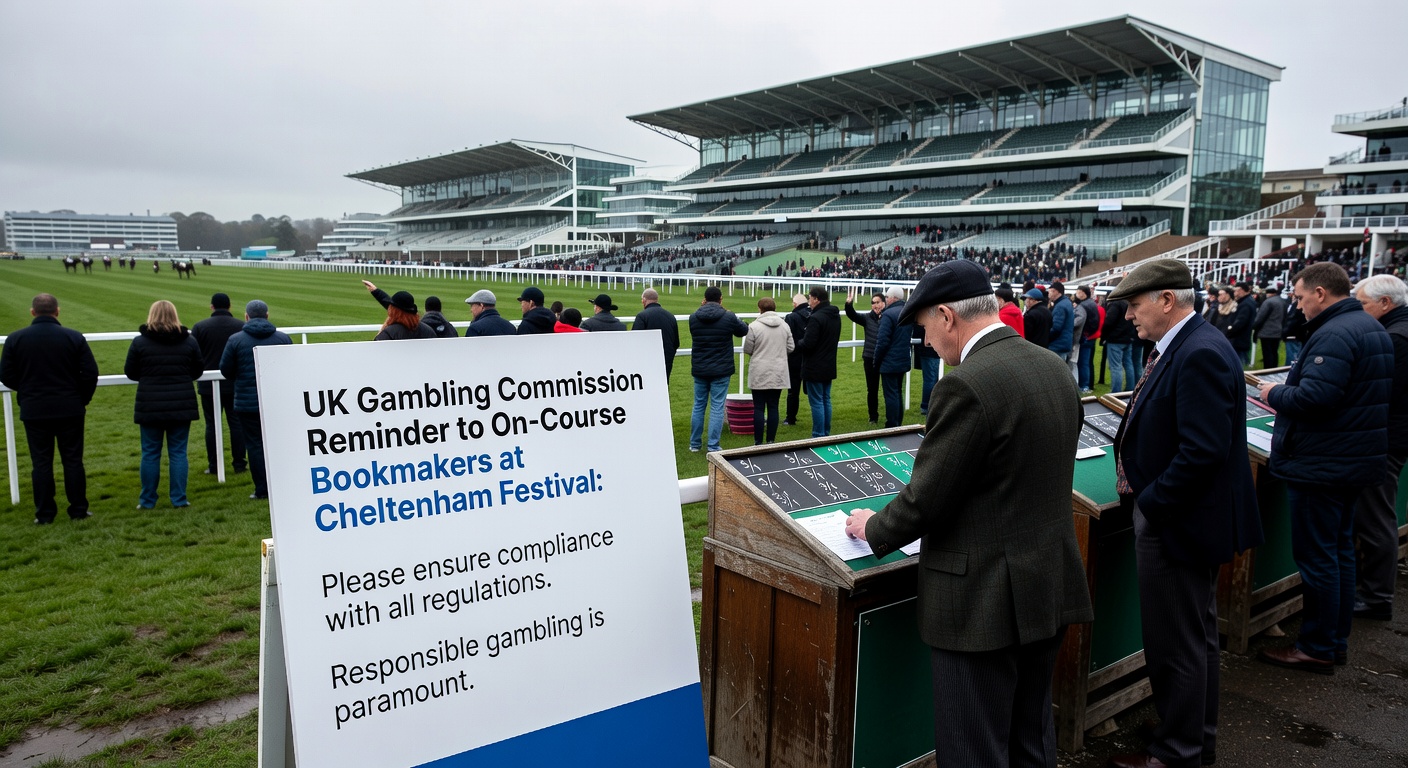
Turns out, on-course bookmakers face unique pressures during the Festival, juggling rapid-fire bets on races like the Queen Mother Champion Chase or the Cheltenham Gold Cup while keeping an eye on cash integrity; punters often arrive with wads of notes—sometimes thousands per person—favoring the thrill of shouting odds face-to-face over apps, and although digital betting surges elsewhere, this traditional setup persists, drawing regulatory scrutiny because large, unstructured cash inflows can mask illicit funds blending into legitimate wagers.
People who've worked these pitches describe the chaos: lines snaking around stands, bookies scribbling odds on boards, satchels bulging by midday, yet amid that, staff train to flag anomalies like repeat large wins cashed out immediately or bets from the same faces across multiple pitches; the Commission's note reinforces that effective controls mean more than just counting notes, encompassing staff training, transaction logs, and swift SAR filings to the National Crime Agency when suspicions arise, all while operations hum without interruption.
It's noteworthy that similar reminders have landed before past festivals, with compliance checks ramping up post-event; data indicates SARs from racing venues spiked during peak seasons, prompting this proactive stance, and for March 2026, bookmakers can expect heightened vigilance from both the Commission and on-site inspectors ensuring LCCP adherence keeps the sport clean.
How Bookmakers Gear Up for Compliance in Practice
Those in the know explain that preparation starts with internal audits, where firms map risks specific to cash-heavy days—say, modeling scenarios like a punter placing £10,000 bets across sequential races without ID checks; under LCCP 12.1.1, they deploy enhanced due diligence, perhaps verifying identities or sources of funds for high rollers, while Conditions 15.2.1 and 15.1.2 ensure any whiff of trouble triggers reports within tight deadlines, often hours.
Yet, the reality is that training proves crucial; bookie teams run drills on spotting layering techniques—where dirty money gets wagered and cashed out clean—or proliferation financing tied to terror groups, and although Cheltenham's festive vibe tempts oversight lapses, robust record-keeping via digital aids alongside cash logs helps, allowing quick reconstructions if probes follow.
One case from prior years involved a bookmaker nailing a suspicious pattern early, reporting it promptly and averting escalation; such stories highlight how adherence not only satisfies regulators but safeguards reputations in an industry where trust underpins every shout of "five to two!"
Broader Context Within UK Gambling Regulation
So, while this reminder targets Cheltenham's on-course scene, it echoes wider efforts by the Commission to fortify the sector against financial crime; recent data shows SARs across gambling hit record levels in 2025, with cash segments contributing significantly, prompting tougher stances on everything from remote operators to land-based pitches.
Observers note the alignment with global standards like those from the Financial Action Task Force, where the UK scores high yet refines measures for vulnerabilities like racing's cash culture; for bookmakers, that means integrating AML into daily ops seamlessly—customer risk ratings, transaction thresholds, and board-level oversight—ensuring the March 2026 Festival runs smoothly without regulatory hiccups.
What's significant is the collaborative tone; the Commission positions this as support rather than scolding, providing links to guidance and urging direct contact for queries, fostering a compliance mindset that benefits all from punters to track officials.
Conclusion
As the Cheltenham Festival approaches in March 2026, the UK Gambling Commission's reminder stands as a clear call to action for on-course bookmakers, reinforcing LCCP Conditions 12.1.1, 15.2.1, and 15.1.2 to combat money laundering and terrorist financing amid surging cash volumes; by prioritizing effective policies, vigilant monitoring, and prompt reporting, licensees uphold the integrity of one of racing's crown jewels, keeping the focus on the thrill of the turf rather than hidden threats.
In the end, this guidance ensures the event's legacy endures untainted, with regulators, operators, and punters aligned for a secure spectacle.