Variations in Bonus Offers Among European Poker Networks and Mobile Platforms
Ben Schmid · Jul 28, 2026
Variations in Bonus Offers Among European Poker Networks and Mobile Platforms
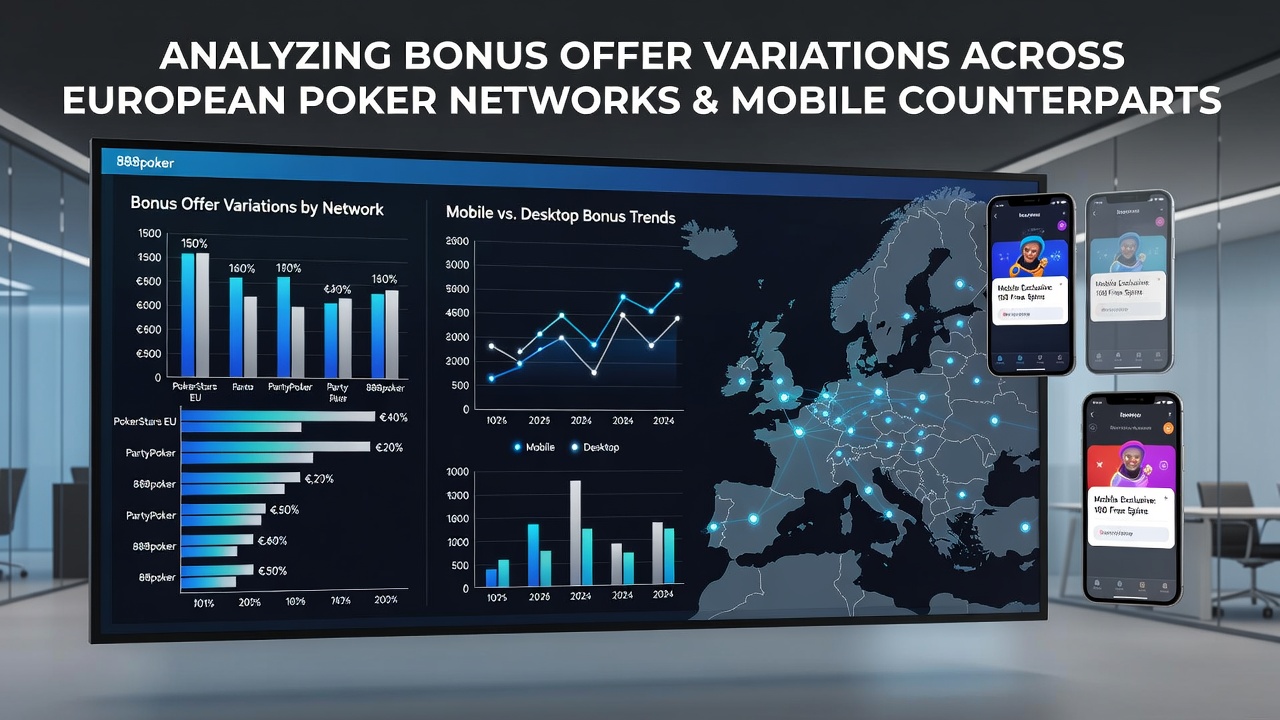
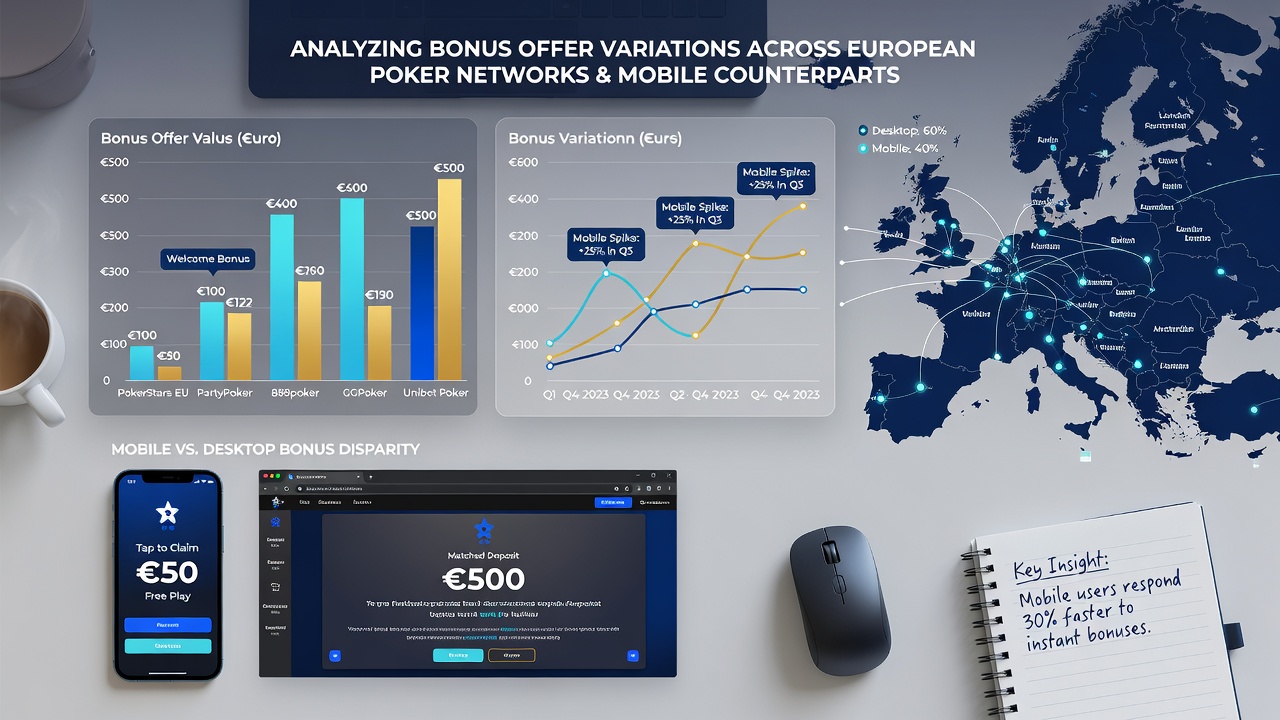
European poker networks maintain distinct bonus structures that differ based on player acquisition strategies, network size, and platform focus, while their mobile counterparts adapt these offers to suit app-based engagement patterns. Data from industry reports shows that welcome bonuses on desktop versions often include higher initial deposit matches compared to mobile apps, where freerolls and reload incentives appear more frequently. Observers note that networks operating across multiple jurisdictions adjust these variations to align with local licensing requirements, creating layered differences in how bonuses roll out to users.
Core Bonus Types in European Poker Networks
European networks typically deploy several standard bonus categories, including sign-up packages, rakeback programs, and loyalty rewards, yet the percentages and conditions attached to each category shift noticeably from one operator to another. A deposit match bonus on one network might reach 100 percent up to a fixed euro limit, whereas another caps the match at 50 percent but extends the validity period. Rakeback percentages range from 20 to 40 percent depending on the network tier, and these figures appear in player agreements published by the operators themselves. Studies from the European Gaming and Betting Association indicate that such structural differences influence player retention rates across borders.
Mobile Adaptations and Platform-Specific Adjustments
Mobile versions of these networks introduce modifications that prioritize quick-play incentives over large one-time matches. Push notifications often deliver time-sensitive reload bonuses unavailable on desktop interfaces, and some apps integrate daily login rewards that accumulate faster than equivalent desktop promotions. Research from academic sources on digital gambling trends reveals that mobile users encounter more micro-bonuses tied to session length, whereas desktop players receive larger tournament ticket bundles. These adaptations reflect usage data showing shorter but more frequent sessions on phones and tablets.
Regional Regulatory Influences on Bonus Structures
Operators licensed in different European jurisdictions apply varying caps and transparency rules to bonus terms, which produces measurable differences in how offers appear to players. Networks headquartered in Malta or Gibraltar, for instance, publish clearer wagering requirement breakdowns than those focused on smaller markets. Updates scheduled for July 2026 under evolving EU consumer protection frameworks are expected to standardize disclosure formats across platforms, potentially reducing some of the current regional disparities. Figures compiled by the European Commission highlight that clearer terms correlate with higher player trust metrics in regulated markets.
Network-Specific Examples and Comparative Data
Take one major network that structures its primary welcome offer around a multi-deposit sequence spread across the first three weeks, whereas a competing network front-loads the entire bonus into the initial deposit. Loyalty programs on larger networks accumulate points across both cash games and tournaments at a uniform rate, while smaller networks apply multipliers for specific game types. Mobile apps from these same networks frequently convert a portion of the desktop bonus pool into in-app currency packs that unlock faster progression systems. Comparative analyses published in gambling research journals demonstrate that these variations affect average player lifetime value differently across desktop and mobile segments.
Payment Method Interactions with Bonus Eligibility
Bonus availability often ties directly to deposit method, and European networks list distinct eligible options for each promotion. E-wallet deposits frequently qualify for full bonus amounts on mobile apps, whereas certain card transactions trigger reduced percentages on desktop versions. Networks publish these restrictions in their terms to comply with anti-money laundering directives, and players who review the lists before depositing avoid common eligibility pitfalls. Data collected through player forums and aggregated reports shows that networks offering crypto options on mobile tend to attach separate bonus tiers unavailable through traditional banking channels.
Trends Emerging in Mid-2026
By July 2026, several networks plan to introduce unified bonus dashboards that sync desktop and mobile accounts in real time, allowing players to track progress across platforms without manual transfers. Early test programs indicate that these dashboards reduce disputes over bonus expiration dates, which currently differ between web and app versions. Industry observers tracking these developments point to increased cross-platform play as a direct outcome of the synchronization efforts.
Conclusion
European poker networks continue to refine bonus variations in response to platform demands and regulatory shifts, with mobile adaptations emphasizing frequency and accessibility over larger lump-sum offers. The distinctions between desktop and app incentives remain tied to usage patterns and licensing conditions, and upcoming changes in July 2026 may narrow some of those gaps through standardized disclosure practices. Players who compare terms across networks and platforms encounter a landscape where small structural differences produce measurable impacts on overall value.