Verification Timelines Shaping Reward Access in Mobile Betting Systems
Jordan Patterson · Jun 18, 2026
Verification Timelines Shaping Reward Access in Mobile Betting Systems
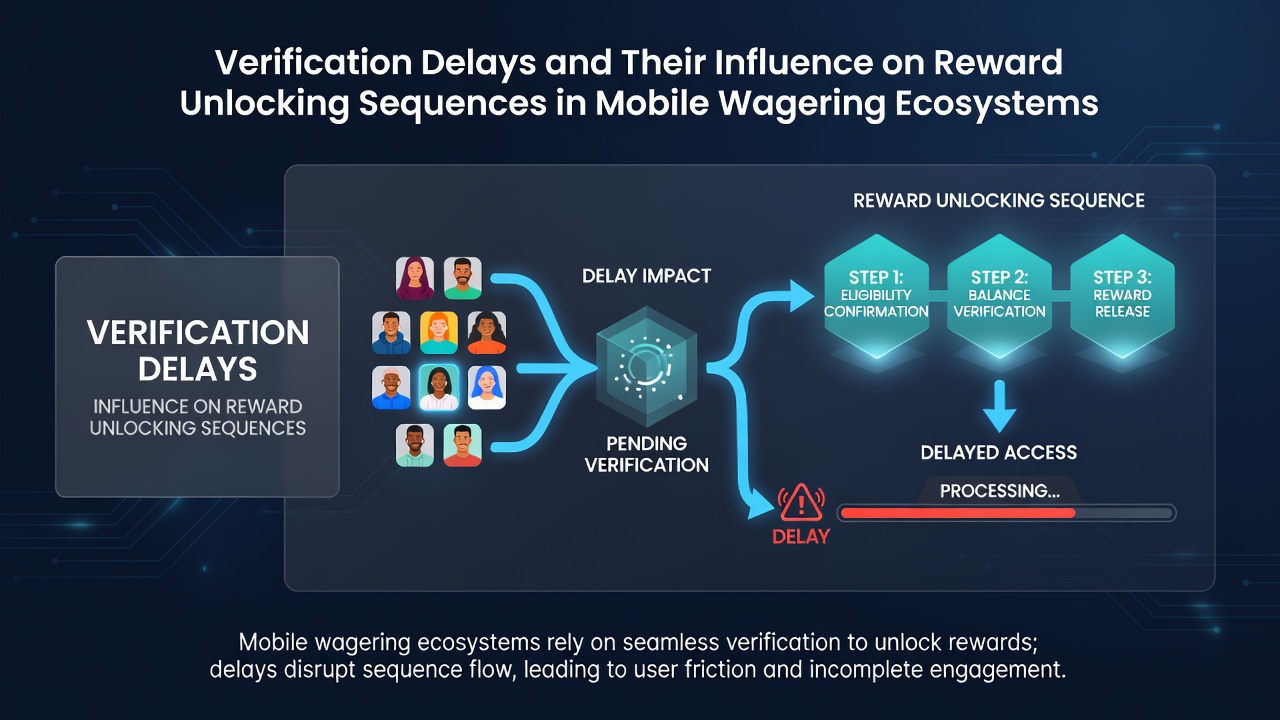
Mobile wagering ecosystems depend on structured verification steps that confirm user identity before reward sequences activate, and these steps often create measurable delays in bonus releases across smartphone platforms. Operators require document submissions such as government-issued identification and proof of address, after which automated systems or manual reviews determine eligibility for unlocking promotional credits and cashback offers. Data from regulatory filings shows processing times range from several hours to multiple business days depending on submission volume and regional compliance rules. Account creation begins with basic registration details, yet full access to reward unlocking sequences waits until verification completes. This sequence protects platforms from fraudulent claims while aligning with anti-money laundering requirements enforced by bodies like state gaming control boards in the United States. Users frequently encounter holds when submitted files contain inconsistencies or require additional clarification, extending the period before deposited funds or matched bonuses become available for wagering.Common Sources of Processing Delays
Peak registration periods during major sporting events generate backlogs, while high-resolution document scans sometimes trigger manual checks that automated tools cannot resolve quickly. Platforms integrate third-party services for facial recognition and database cross-referencing, and mismatches between provided information and external records add further steps before approval occurs. Observers note that mobile users who upload photos taken in poor lighting or from expired documents experience repeated rejection cycles that push reward activation further out.
Regional regulations influence these timelines, and jurisdictions with stricter data privacy statutes require additional consent forms that lengthen the overall sequence. As new digital identity frameworks rolled out in parts of Europe starting June 2026, several operators adjusted their internal workflows to accommodate updated verification protocols, resulting in temporary spikes in processing duration for existing users seeking to unlock accumulated rewards.
Effects on Bonus and Reward Sequences
Reward unlocking sequences tie directly to verified status, meaning unconfirmed accounts cannot progress through wagering requirements attached to welcome offers or loyalty tiers. Studies conducted by research arms at institutions such as the University of Nevada, Reno's International Gaming Institute reveal that average delay periods of 48 to 72 hours correlate with measurable drops in user engagement metrics during the initial deposit phase.
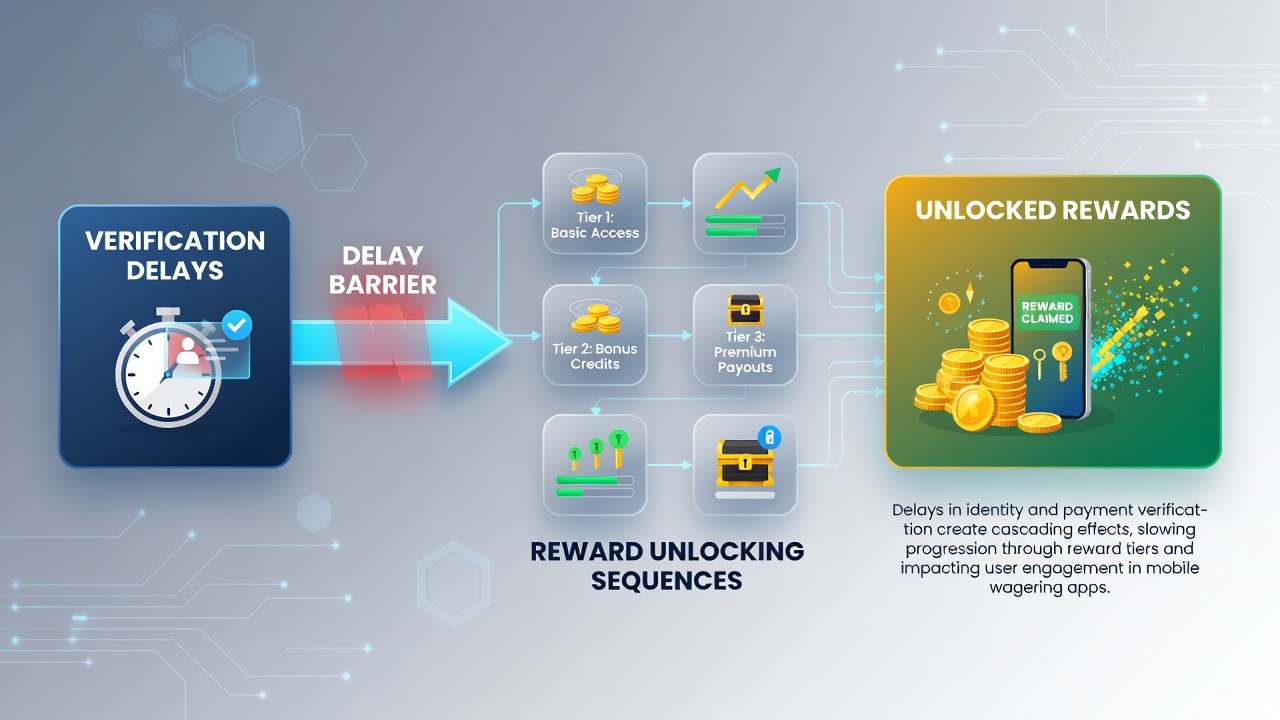 When verification stalls, players lose the ability to convert promotional funds into active bets, which disrupts planned sequences of deposit, wager, and withdrawal. Industry reports compiled by the European Gaming and Betting Association highlight that operators tracking these patterns observed higher abandonment rates among accounts stuck in pending verification queues compared with those cleared within the first 24 hours.
Platform Adaptations and User Impact
Operators respond to these challenges by deploying faster verification tiers for low-risk users and by providing real-time status updates through in-app notifications. Some applications now allow partial reward access after initial automated checks pass, reserving full unlocking for final manual confirmation. Those who've examined transaction logs across multiple apps find that cryptocurrency deposit methods sometimes bypass certain verification layers, shortening the path to reward activation in jurisdictions where such payments receive regulatory approval.
Geographic differences appear clearly when comparing North American and Asia-Pacific markets, where varying standards for identity documentation create distinct delay profiles. Canadian provincial regulators, for instance, emphasize rapid turnaround for verified players, while Australian state authorities maintain stricter cross-check requirements that extend average processing windows. These variations affect how reward sequences unfold for international users accessing the same mobile applications from different locations.
Conclusion
Verification delays remain a structural element within mobile wagering ecosystems that directly governs the pace at which users progress through reward unlocking sequences. Operators continue refining document handling procedures and third-party integrations to reduce friction points while maintaining compliance with evolving standards. Figures from multiple oversight bodies demonstrate that shorter verification windows correspond with sustained user activity levels across deposit and bonus cycles, underscoring the operational link between confirmation speed and reward accessibility in these platforms.